The fade haircut is more than just a trend; it is the cornerstone of modern men’s grooming. Since its rise to prominence, the fade has evolved from a military staple to a versatile canvas for self-expression. Whether you are aiming for a professional office look or a bold, edgy aesthetic, the fade offers a level of precision and cleanliness that other cuts simply cannot match.
As we look toward 2026, the fade continues to dominate, blending classic techniques with contemporary textures. From the subtle low taper to the high-contrast skin fade, here are 35 timeless fade haircuts that will ensure you stay sharp.
1. Low Fade
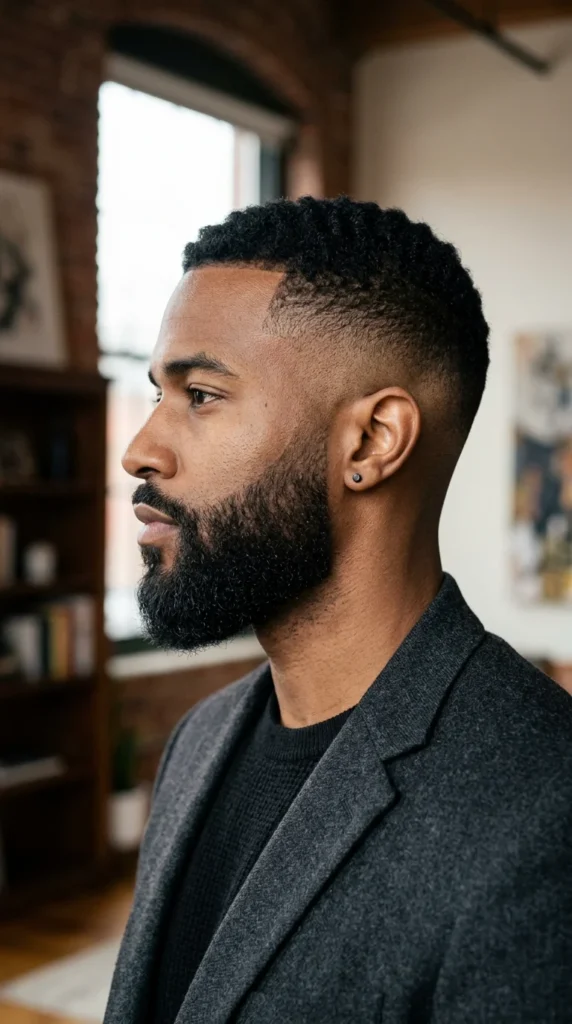
The low fade is the ultimate choice for the “understated” gentleman. It begins the tapering process very low on the head, usually just above the ears and nape. This style is perfect for men who want a clean, professional finish without the dramatic contrast of a higher fade. It works exceptionally well with longer hair on top, providing a subtle frame for the face.
2. Mid Fade
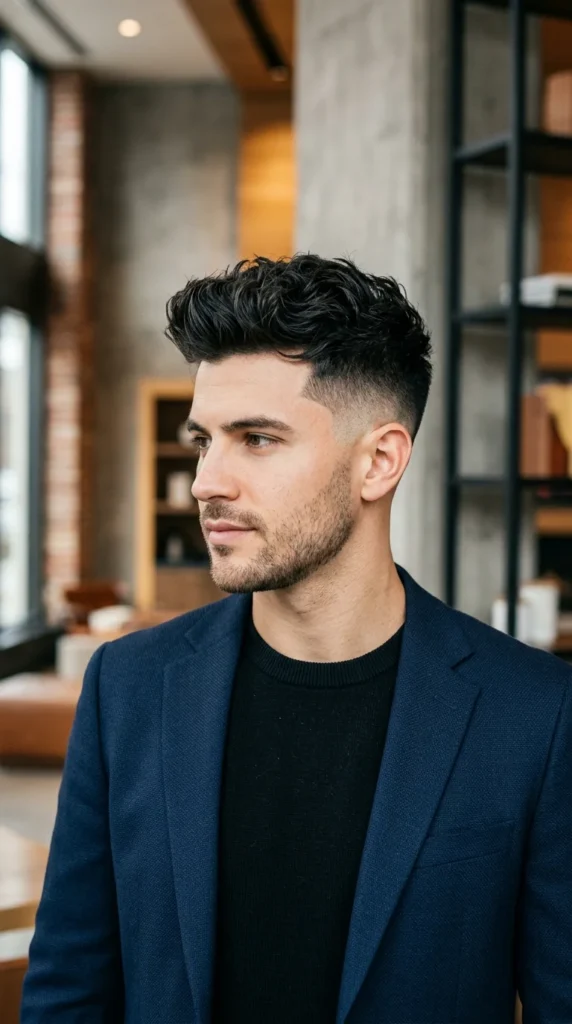
Sitting right between the low and high fades, the mid fade offers the best of both worlds. It starts at the temple area, creating a balanced look that suits almost every face shape. The mid fade is particularly popular because it provides enough contrast to be noticeable but remains versatile enough for any social or professional setting.
3. High Fade
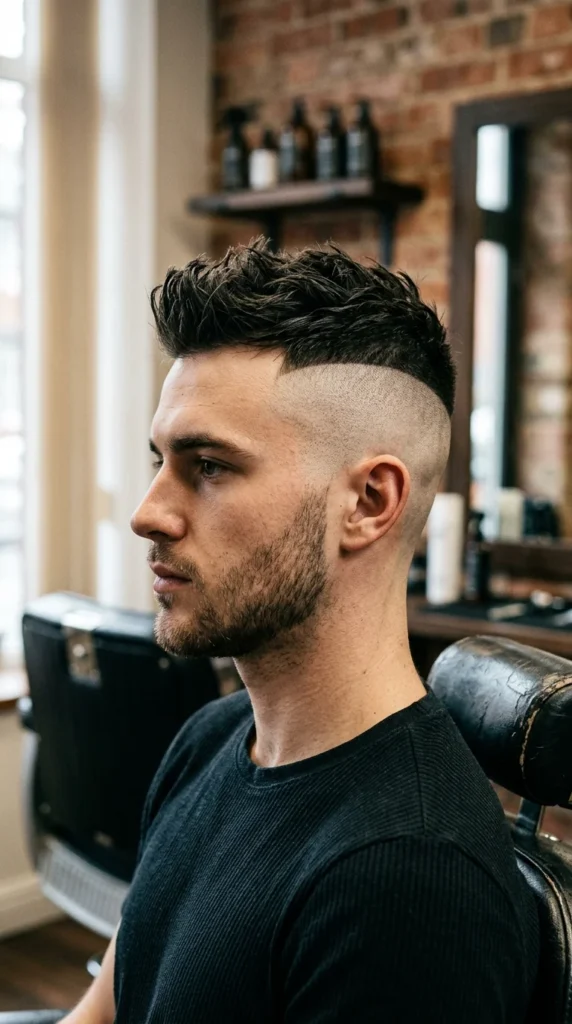
The high fade is bold, striking, and high-maintenance. It begins high up on the head, usually around the corners of the forehead or the crown. This creates a significant amount of skin exposure, emphasizing the hair on top. It’s an excellent choice for men with rounder faces, as the height and tight sides help elongate the facial structure.
4. Skin Fade
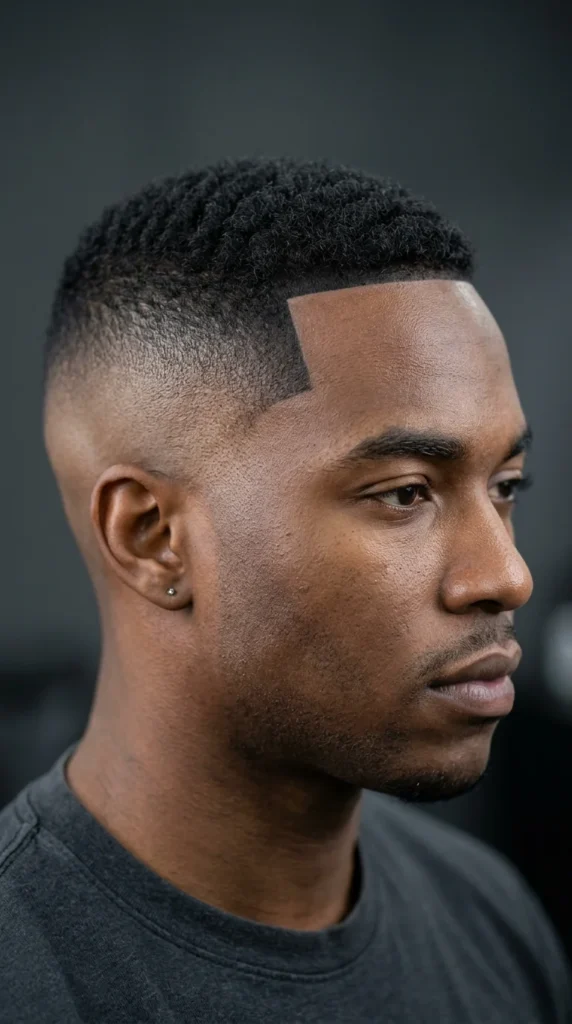
Also known as the bald fade, the skin fade involves tapering the hair down until it completely disappears into the skin. This requires a skilled barber and a straight razor or high-precision foil shaver. The skin fade provides a sharp, crisp finish that looks incredibly fresh when first cut, though it does require frequent touch-ups to maintain that “zero” look.
5. Drop Fade
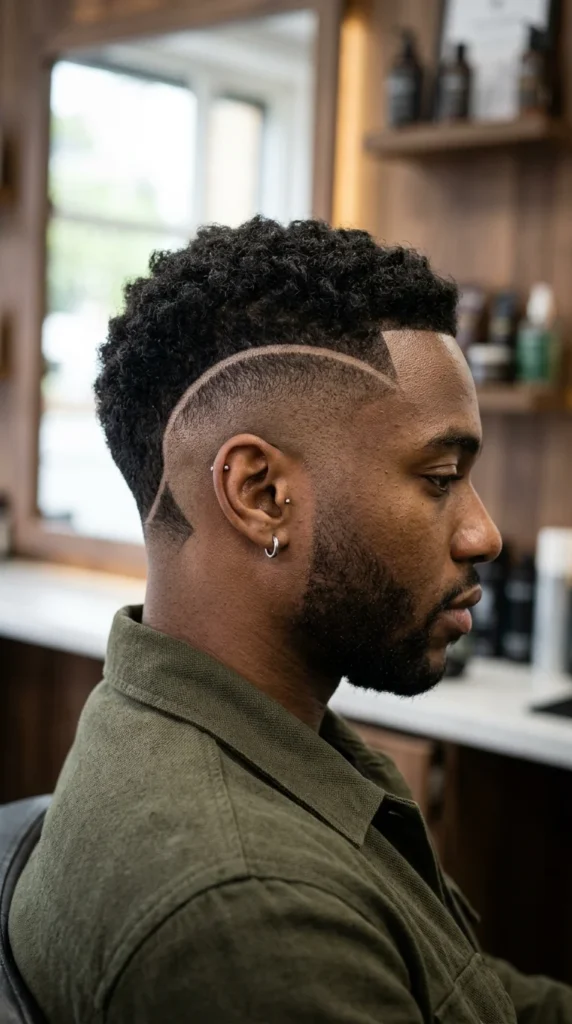
The drop fade is a creative variation where the fade line doesn’t stay horizontal. Instead, it “drops” behind the ear, following the natural curve of the head toward the nape of the neck. This creates a unique silhouette and is particularly effective for men who want to add some geometric interest to their profile.
6. Taper Fade
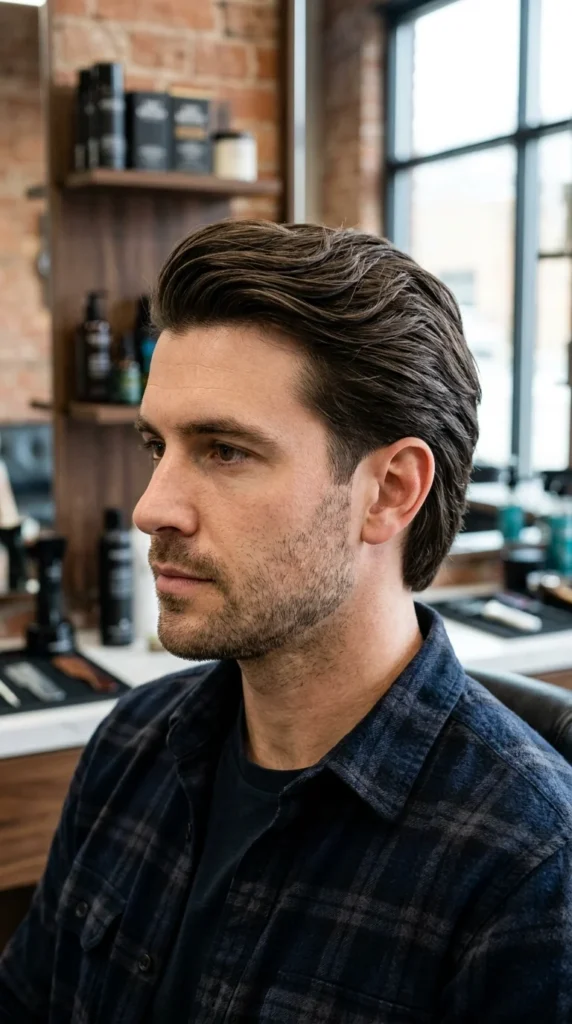
Often confused with a standard fade, the taper fade is actually more conservative. It focuses specifically on the sideburns and the neckline. The rest of the hair on the sides is kept relatively long compared to a skin fade. It is the go-to look for men who want a classic, groomed appearance that looks natural as it grows out.
7. Burst Fade
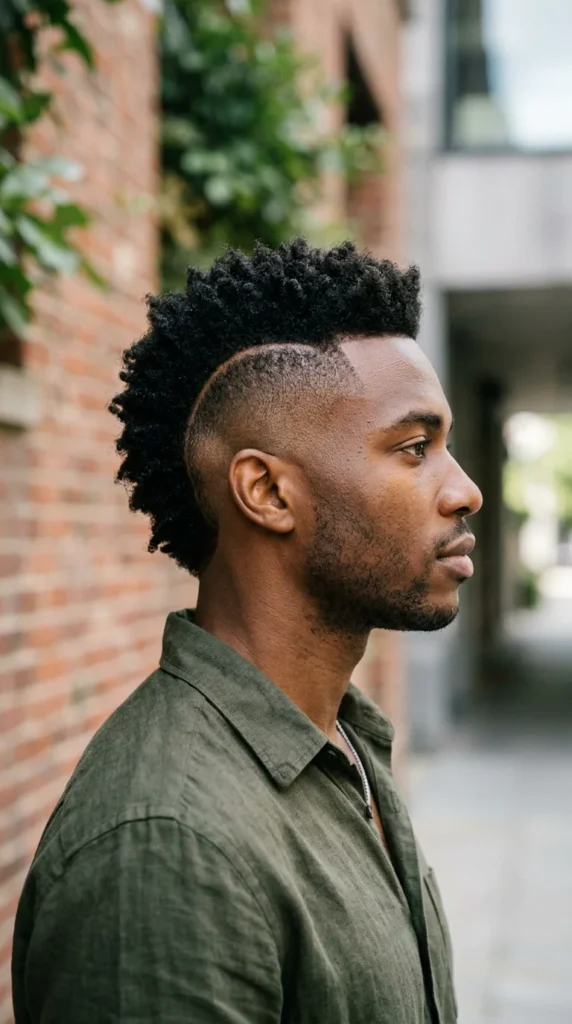
The burst fade is most commonly associated with the South of France haircut or a modern mohawk. It involves fading the hair in a circular “burst” pattern specifically around the ear. This leaves the hair at the back of the neck long, creating a sporty, energetic vibe that is incredibly popular in athletic circles.
8. Temp Fade
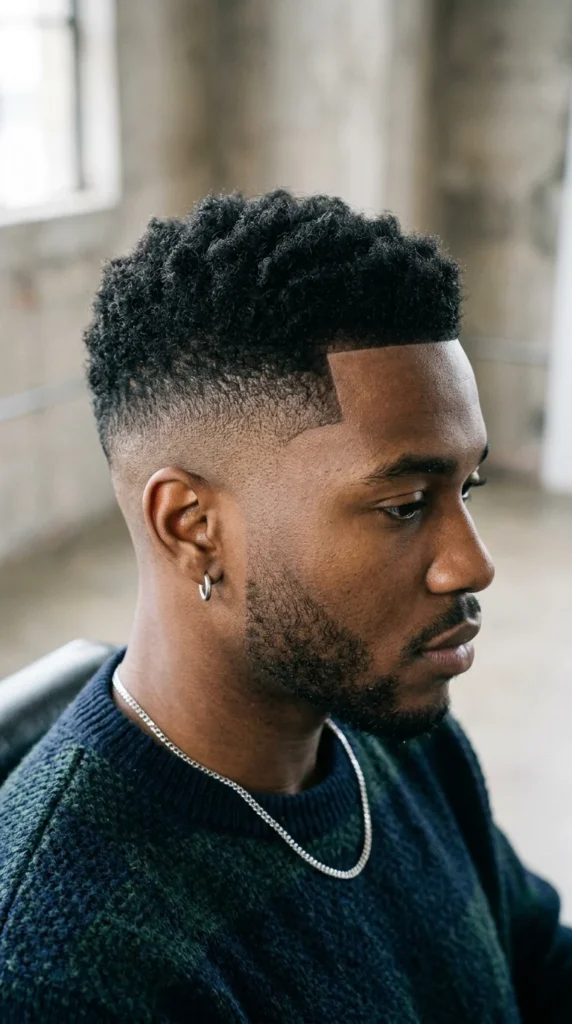
The temp fade (short for temple fade) focuses exclusively on the temples. It is a staple in urban grooming, often paired with a “shape-up” or “line-up.” By cleaning up the edges of the forehead and the sideburns, the temp fade creates a framed, architectural look that enhances the eyes and cheekbones.
9. Bald Fade
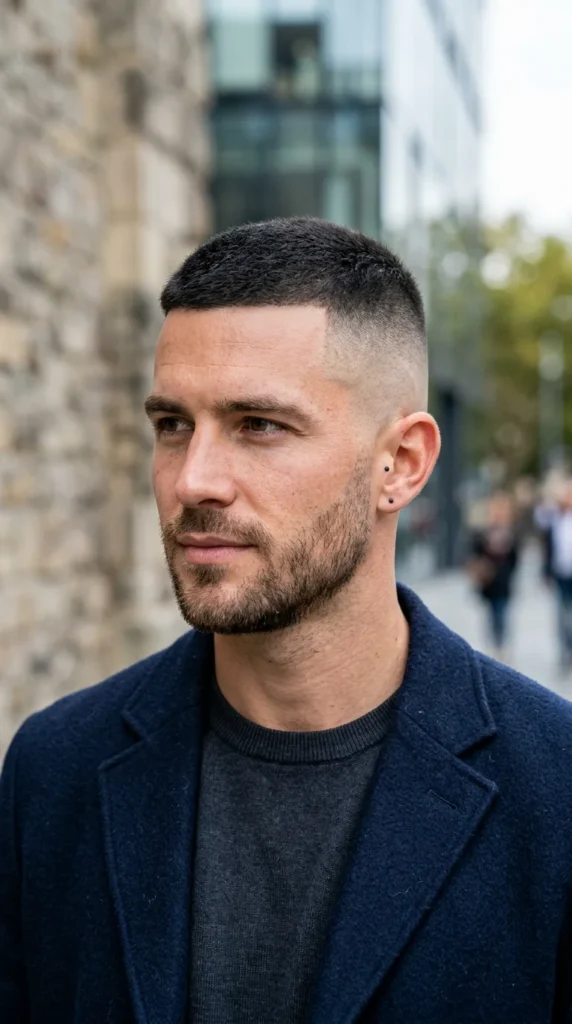
The bald fade is a version of the skin fade that emphasizes the “zero” length. It is the cleanest look possible, removing all hair from the lower portion of the head. It is particularly effective for men with dark, thick hair, as the contrast between the skin and the hair on top is stark and visually impressive.
10. Shadow Fade
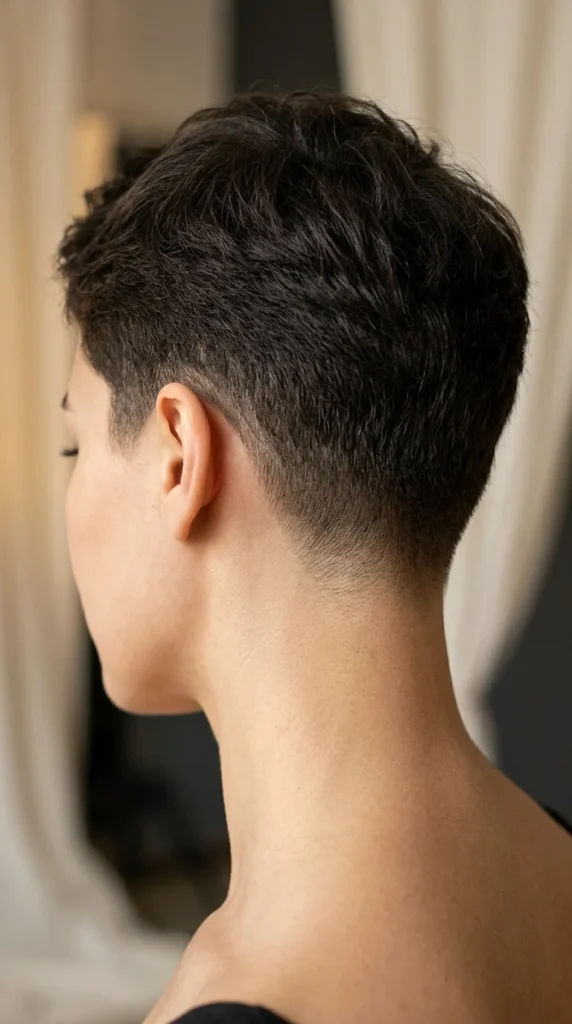
The shadow fade is all about the transition. Unlike a skin fade, a shadow fade typically leaves a very short layer of stubble at the bottom. This results in a “shadow” effect rather than a total bald look. It’s a great option for men with sensitive skin who might experience irritation from a razor-close skin fade.
11. Scissor Fade
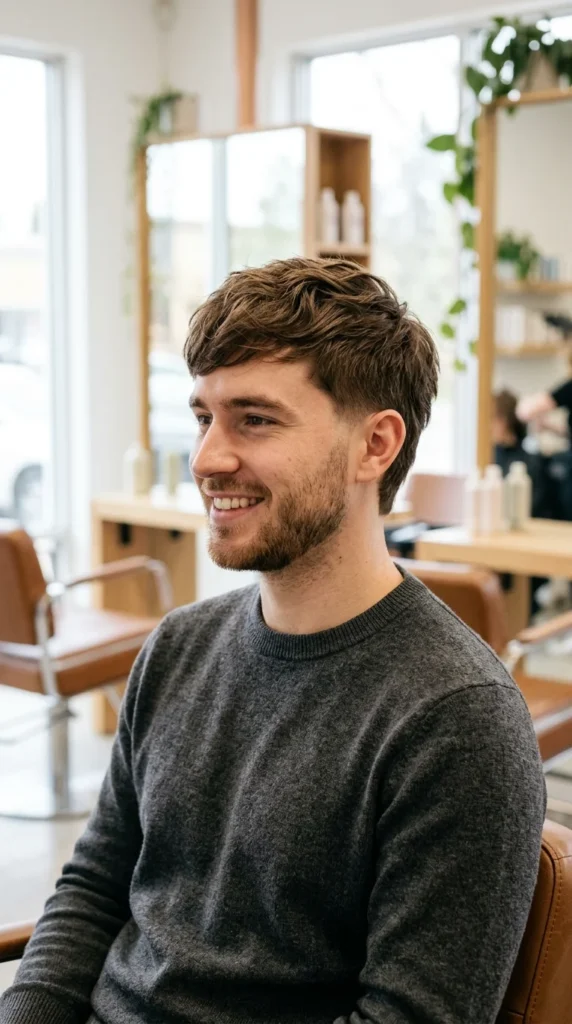
For those who prefer a softer, more organic look, the scissor fade is the way to go. Instead of using clippers with guards, the barber uses the “scissor-over-comb” technique to create a gradient. This results in a more textured, less “mechanical” look that grows out beautifully and suits a more sophisticated, academic style.
12. Box Fade
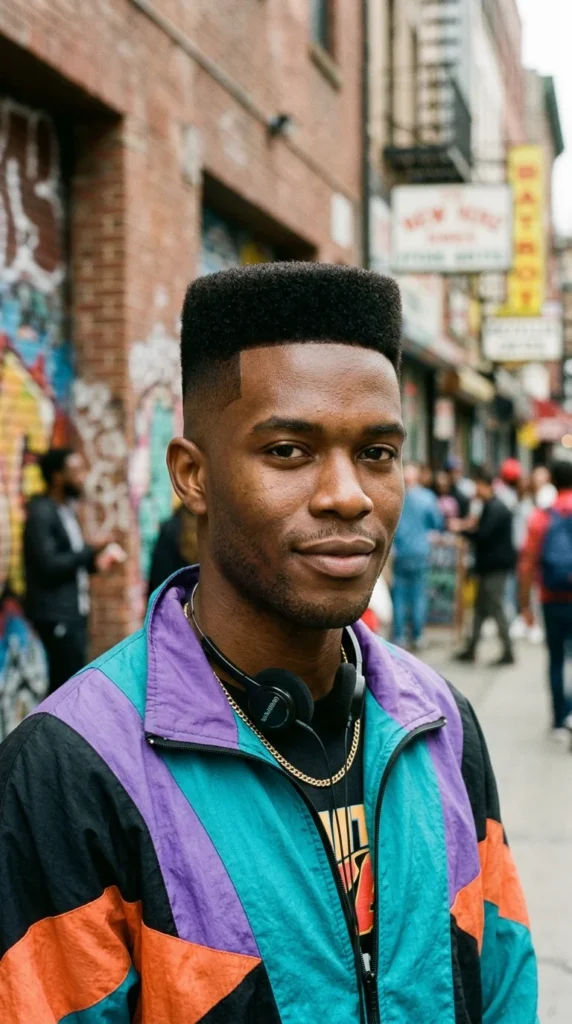
The box fade, or “flat top,” is a classic from the 80s and 90s that has made a major comeback. It involves fading the sides very short while cutting the hair on top into a flat, horizontal plane. It requires thick, coarse hair to hold the shape and is a bold statement of style and structure.
13. Comb Over Fade
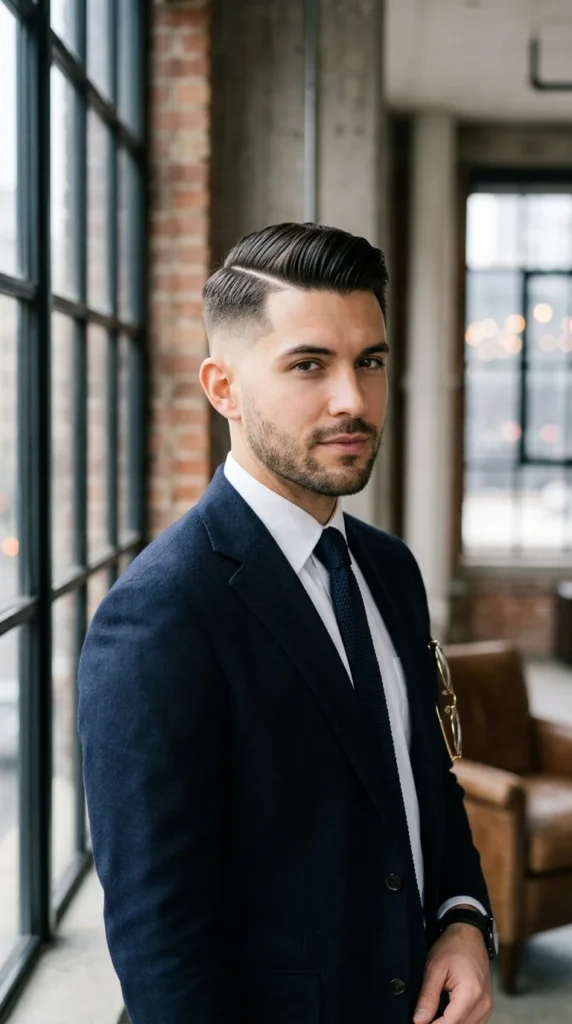
The comb over fade is the bridge between vintage barbering and modern trends. The hair on top is kept long enough to be swept to one side, while the sides are faded to provide a clean, contemporary edge. Adding a “hard part” (a shaved line where the hair parts) makes this look even sharper.
14. Pompadour Fade
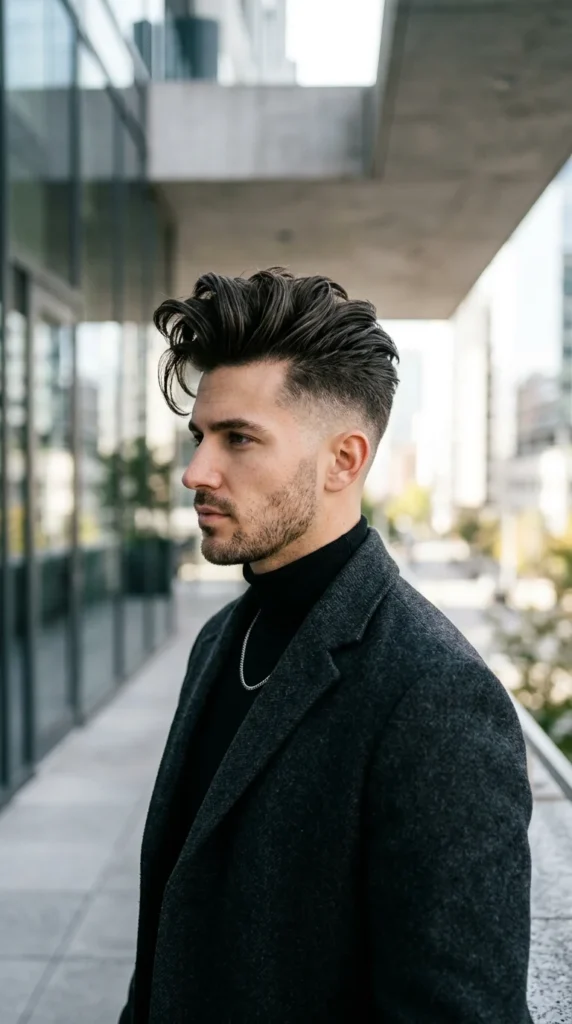
The pompadour fade takes the classic Elvis-inspired look and updates it for the 21st century. By adding a high or mid fade to the sides, the volume on top becomes the focal point. This style is all about height and shine, requiring a good pomade and a hairdryer to achieve that iconic “quack.”
15. Quiff Fade
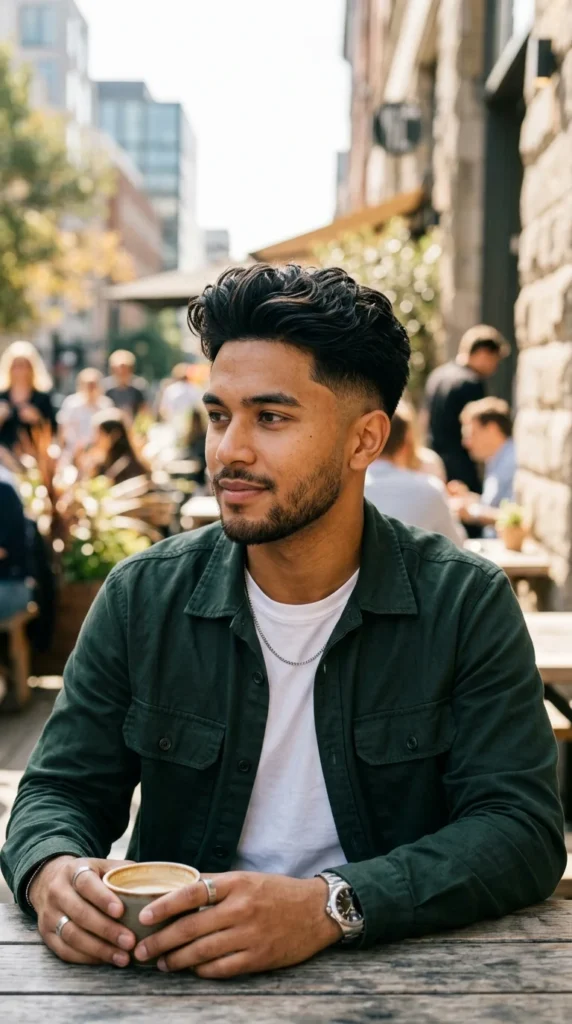
Similar to the pompadour but more relaxed, the quiff fade involves styling the front of the hair upward and forward. It has a more “undone” and textured feel than the pompadour. When paired with a fade, the quiff becomes a versatile daily look that works just as well at the gym as it does at a dinner party.
16. Buzz Cut Fade
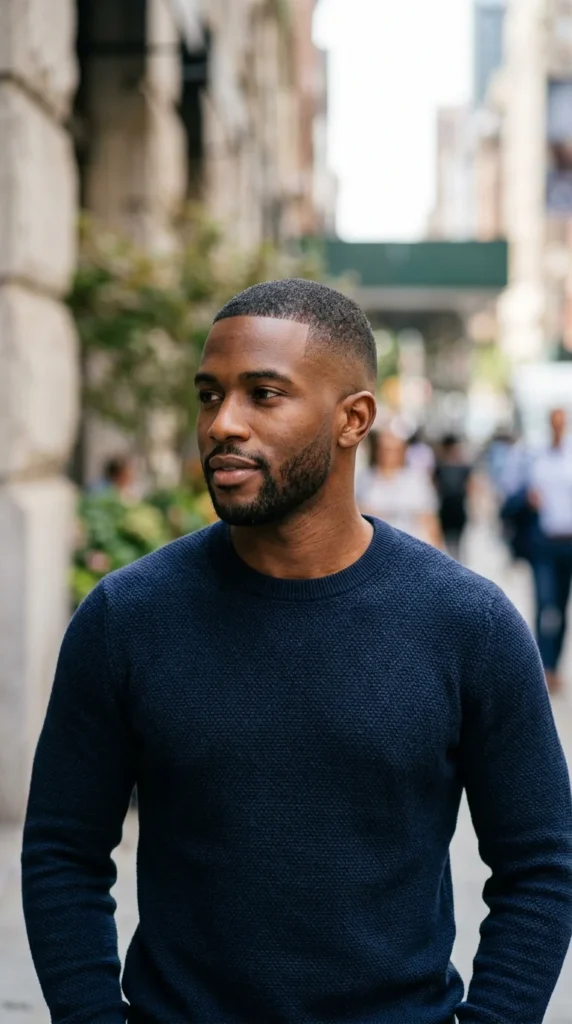
If you want maximum style with minimum effort, the buzz cut fade is the answer. The top is cut with a consistent short guard, and the sides are faded down to the skin. It’s rugged, masculine, and requires zero styling time in the morning.
17. Crew Cut Fade
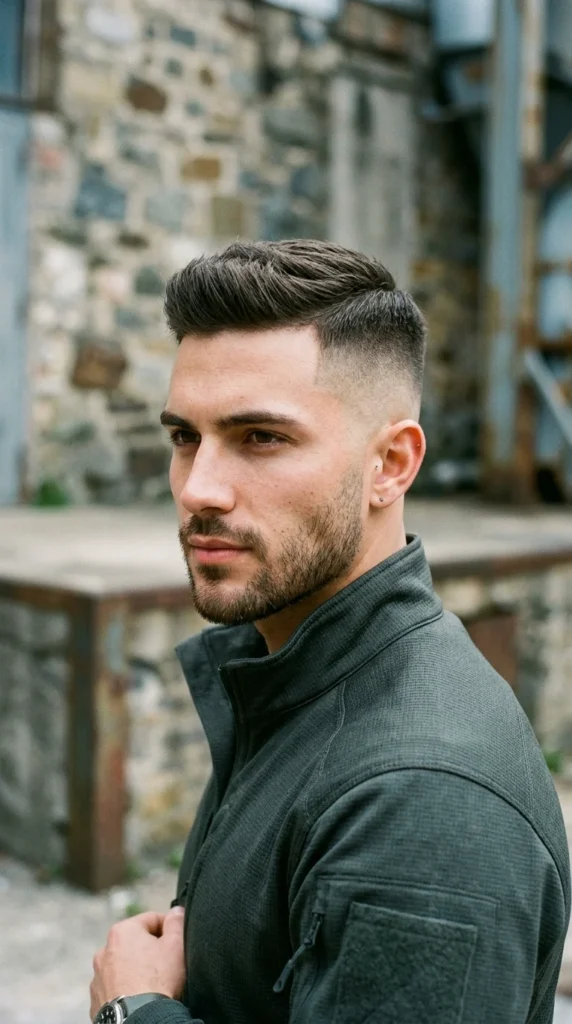
The crew cut is a slightly longer version of the buzz cut. The hair on top is tapered from front to back, leaving a bit more length at the forehead. Paired with a fade, it elevates a standard military cut into something stylish and intentional.
18. Caesar Fade
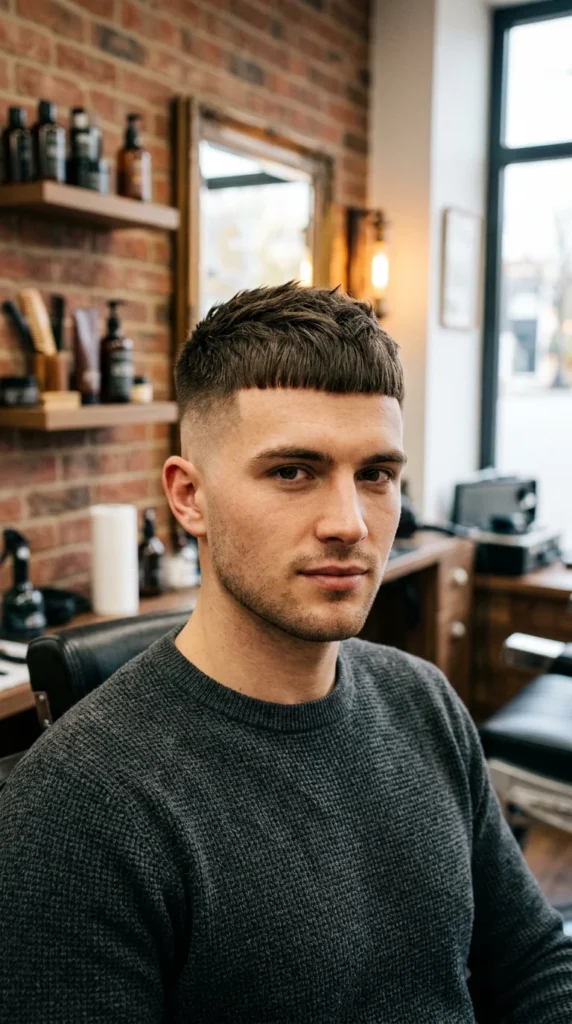
Named after Julius Caesar, this cut features a short, straight-across fringe. Modernizing it with a fade prevents it from looking dated. It is a fantastic option for men with thinning hair or a receding hairline, as the forward-swept fringe provides excellent coverage.
19. French Crop Fade
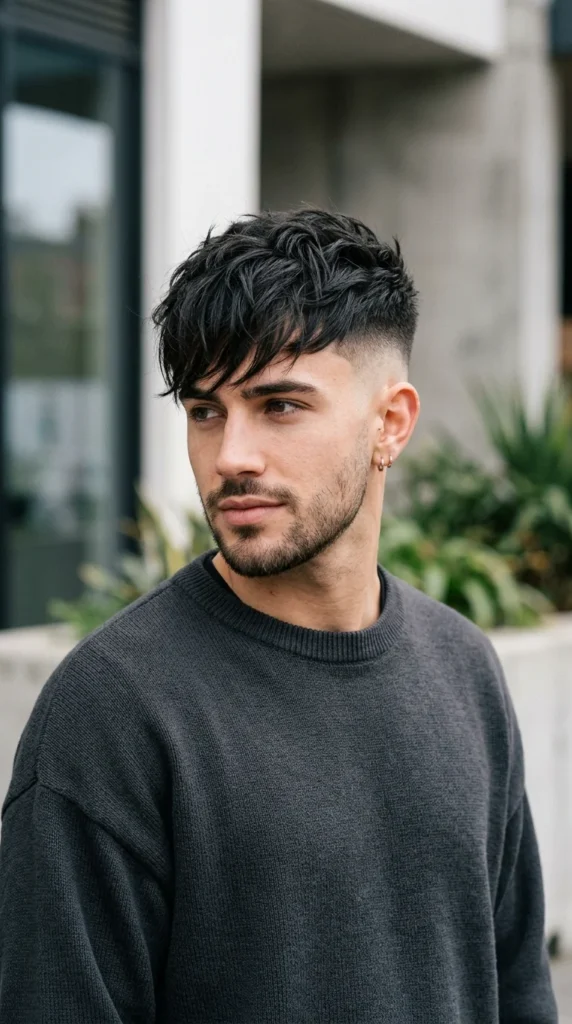
The French crop is the Caesar’s more textured cousin. The hair on top is kept longer and often “chopped” to create visual movement. The high fade on the sides creates a massive contrast with the heavy fringe, making it a favorite among younger generations.
20. Side Part Fade
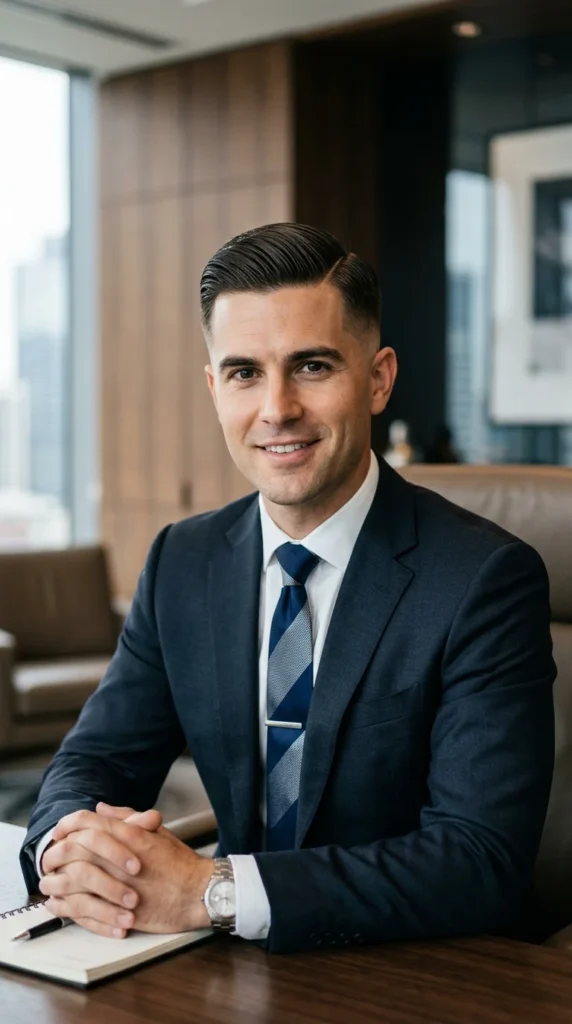
This is the ultimate professional haircut. It’s conservative enough for the boardroom but sharp enough for a night out. The fade adds a modern touch to what would otherwise be a very traditional 1950s style.
21. Mohawk Fade
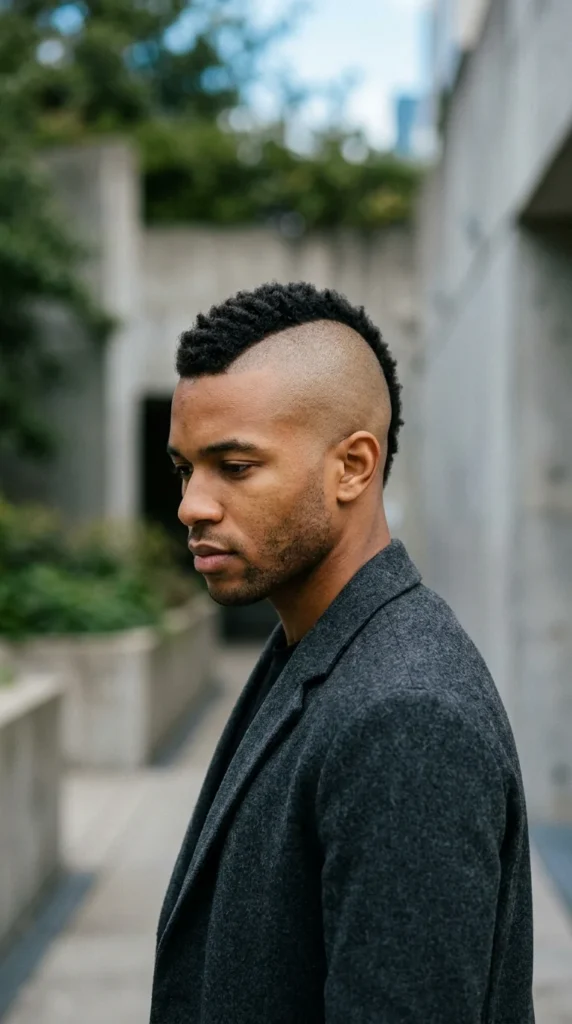
The mohawk fade is for the man who isn’t afraid of attention. By fading the sides all the way up to the “strip” on top, you create a dramatic, punk-inspired silhouette that looks incredibly sharp when styled with high-hold wax.
22. Faux Hawk Fade
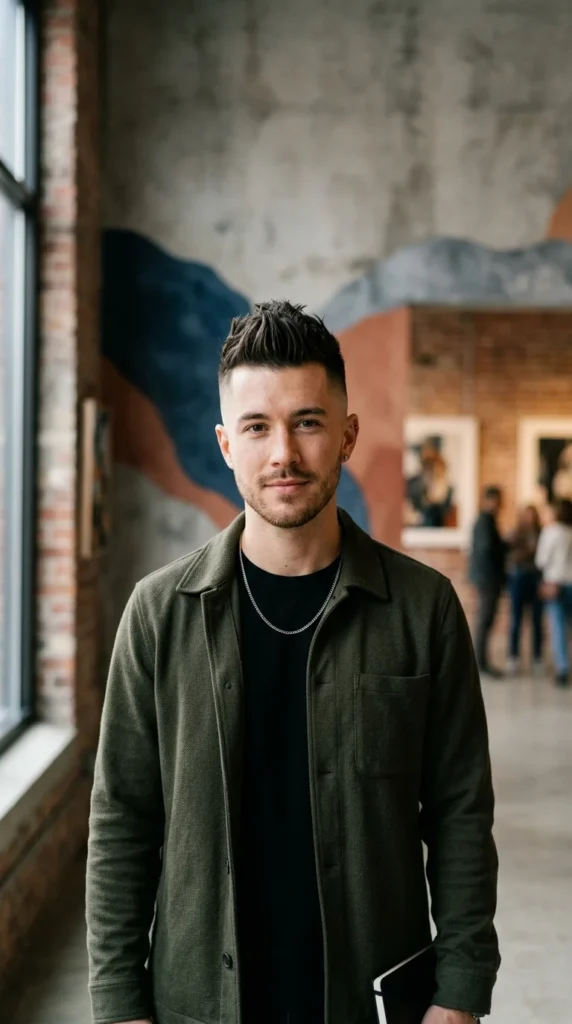
If a full mohawk is too intense, the faux hawk (or “fohawk”) fade is a perfect middle ground. The hair is styled toward the center to mimic a mohawk, but the taper is more gradual, making it more wearable for everyday life.
23. Afro Fade
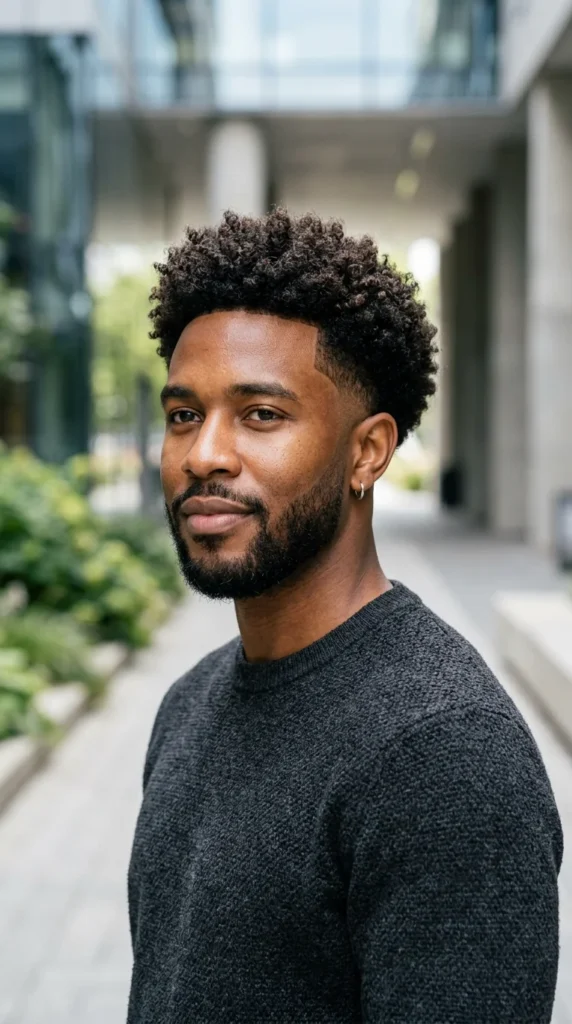
The afro fade is a celebration of natural texture. By fading the sides and back, the “fro” on top becomes more defined and manageable. It’s a clean way to wear natural hair while keeping the edges sharp and the overall look polished.
24. Braids with Fade
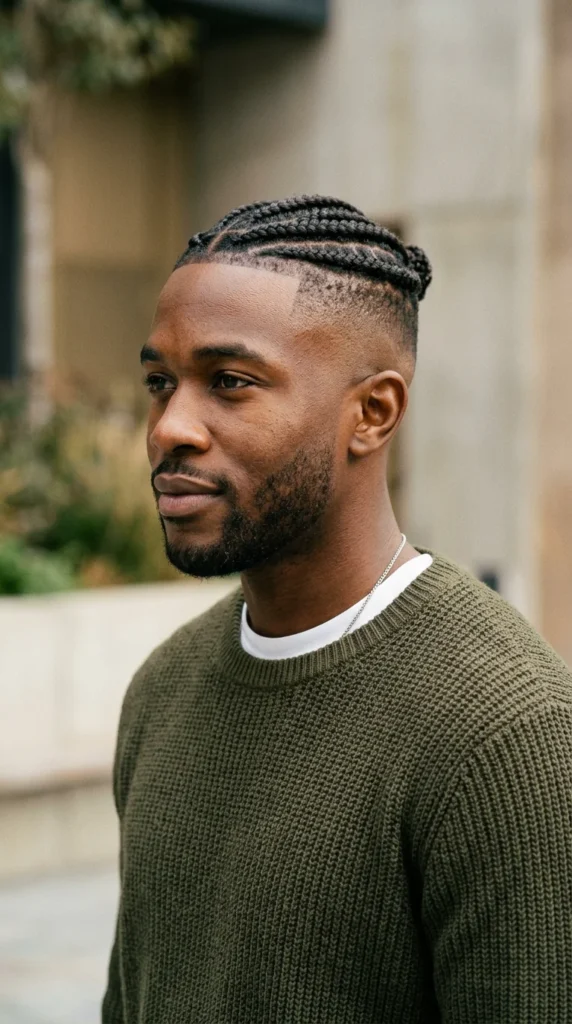
Combining braids with a fade creates a striking visual contrast between the intricate patterns of the braids and the smooth skin of the fade. It’s a practical way to wear braids as it keeps the hair away from the ears and neck, reducing heat and maintenance.
25. Dreadlocks Fade
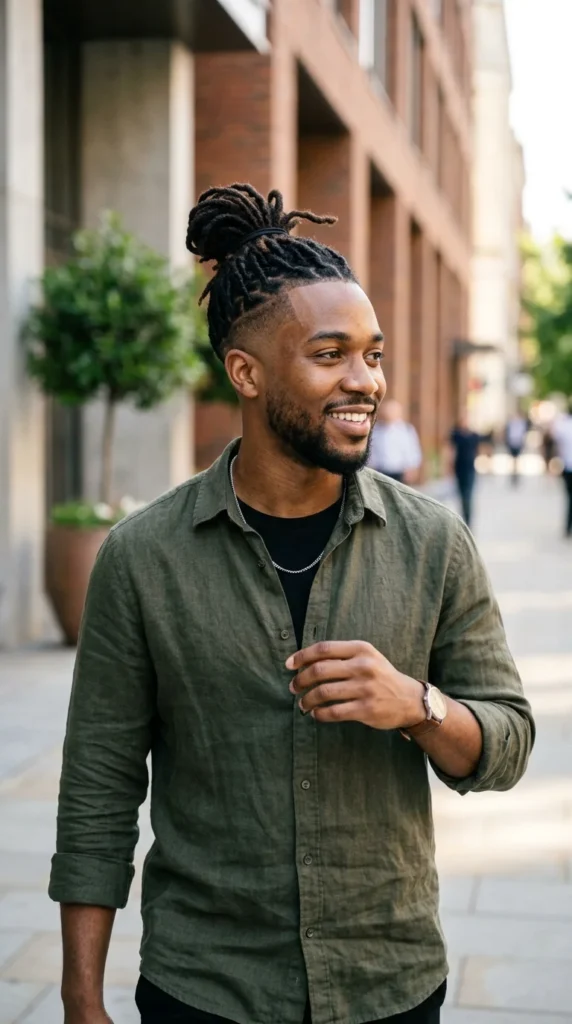
Much like the braid fade, adding a fade to dreadlocks helps manage the bulk of the hair. It gives the dreads a structured, intentional look and prevents the style from appearing too heavy or unkempt around the edges.
26. Curly Hair Fade
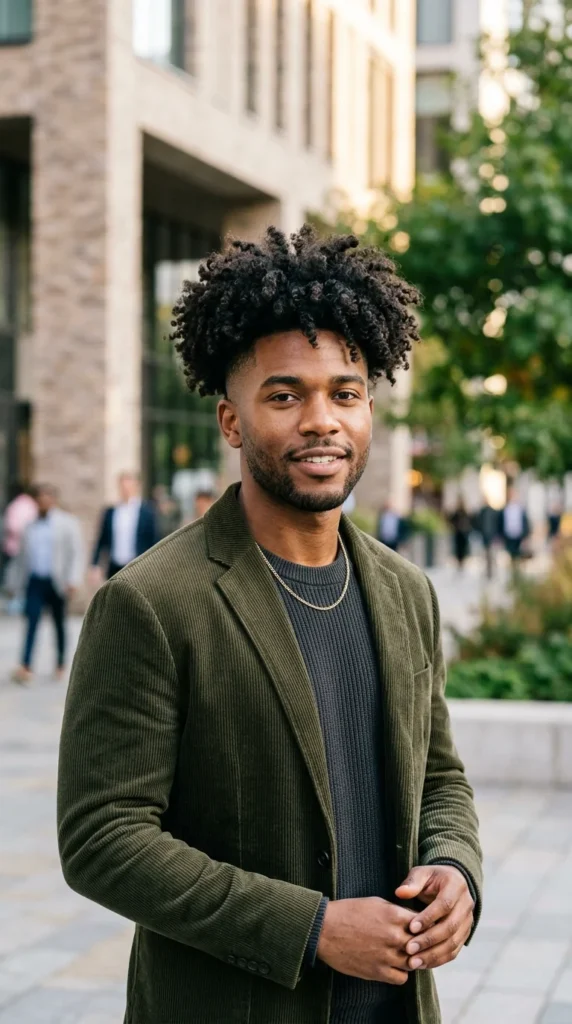
Curls can be difficult to manage, but a fade makes them much easier. By removing the volume from the sides, you allow the curls on top to take center stage without the hair looking “poofy” or uncontrolled.
27. Waves with Fade
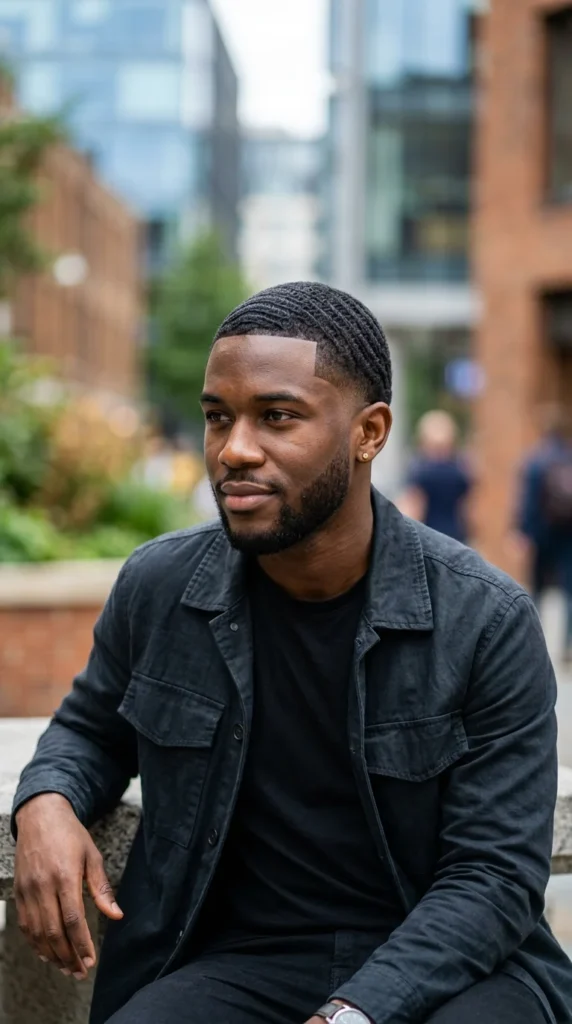
Waves require a lot of dedication, and a fade is the perfect accompaniment. A low or temp fade ensures that the focus remains on the ripple pattern of the waves while keeping the perimeter of the haircut looking fresh.
28. Slick Back Fade
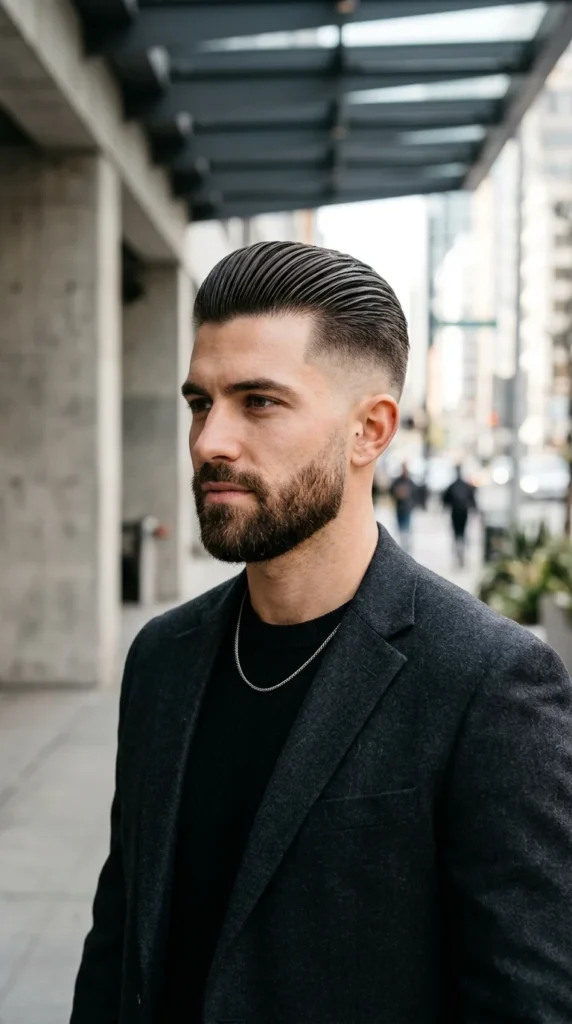
The slick back fade is the epitome of “cool.” It combines the greaser aesthetic of the 50s with the precision of modern barbering. It requires a good amount of length on top and a high-shine pomade to keep everything in place.
29. Man Bun Fade
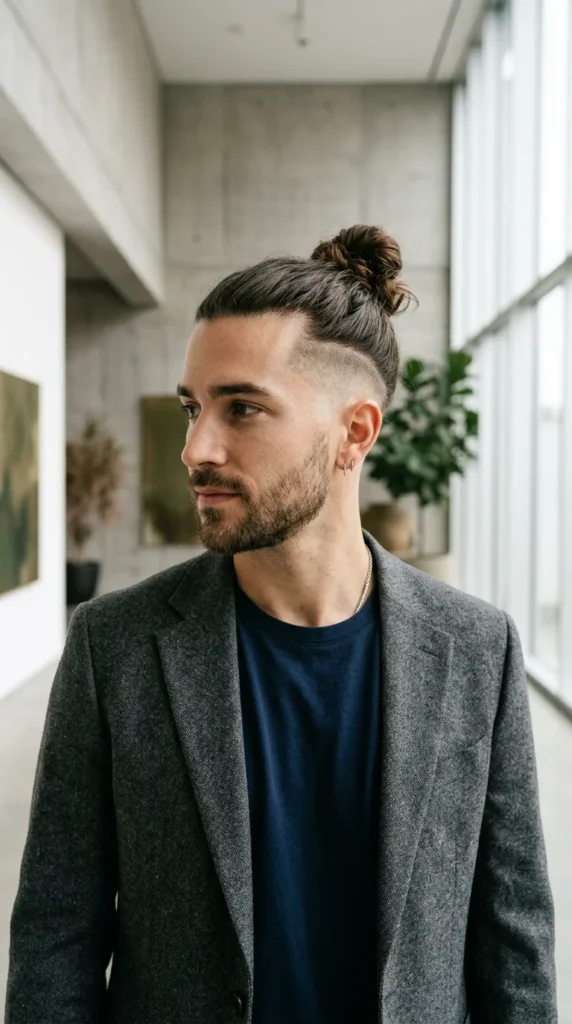
The man bun fade (or “top knot fade”) solves the problem of the awkward “growing out” phase. By fading the sides, you keep the look clean and deliberate, even while you’re rocking longer locks on top.
30. Top Knot Fade
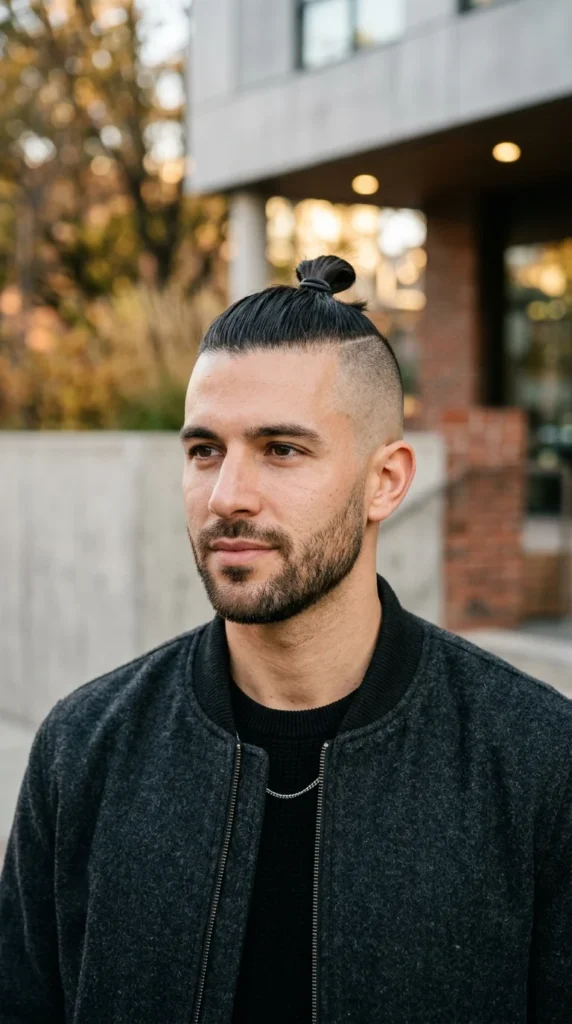
Similar to the man bun, the top knot is usually shorter and sits higher. The fade is often a “high” or “skin” fade, creating a very distinct separation between the knot and the scalp.
31. Bleached Fade
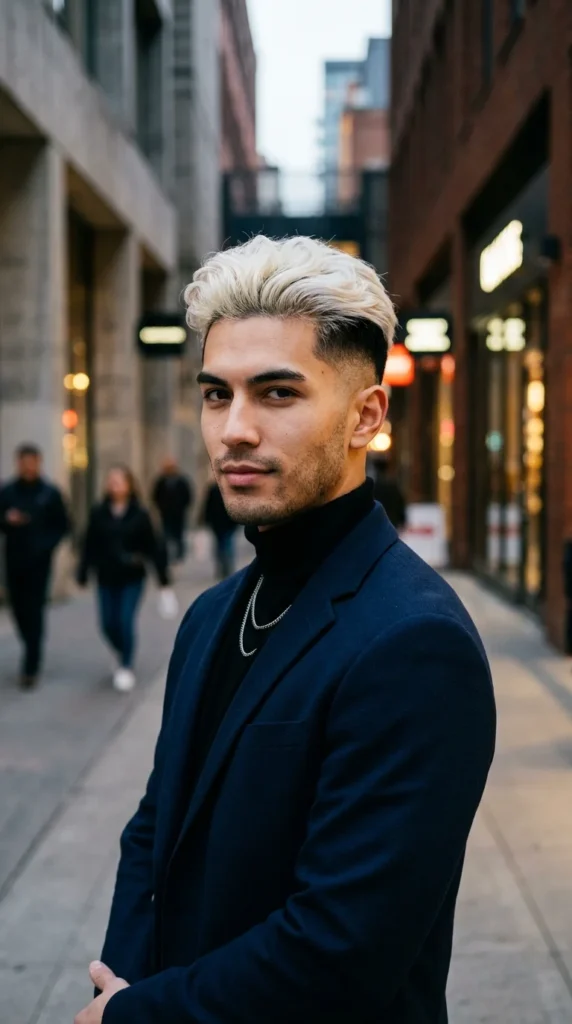
Color is a huge trend for 2026. Bleaching the top of a fade creates a high-fashion, high-contrast look that is impossible to ignore. It’s a favorite among musicians and style influencers.
32. Surgical Line Fade
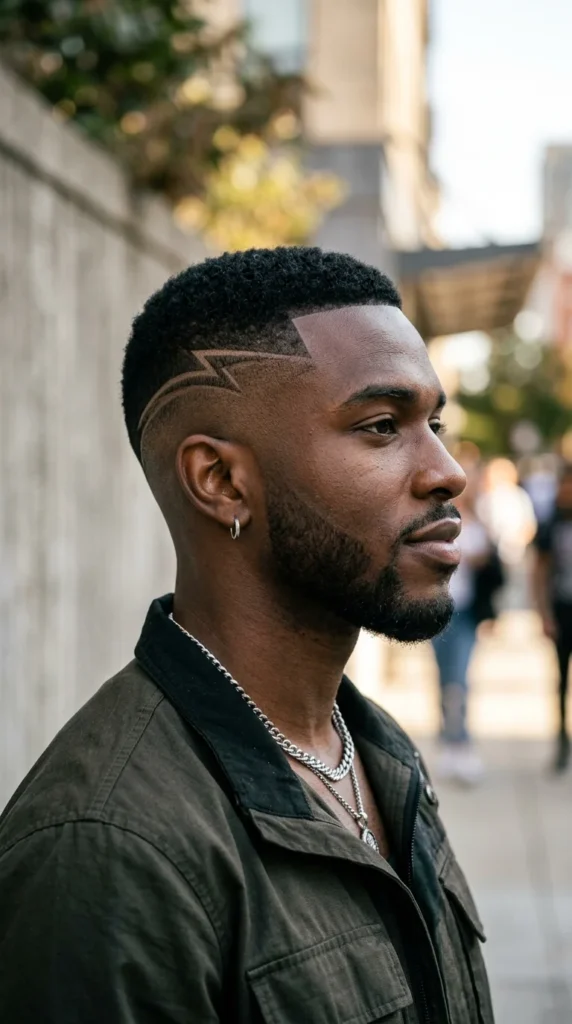
A surgical line is a shaved part that can be straight or artistic. Adding a “hard line” into your fade adds a custom, geometric element to the haircut, making it feel more personalized and edgy.
33. Mullet Fade
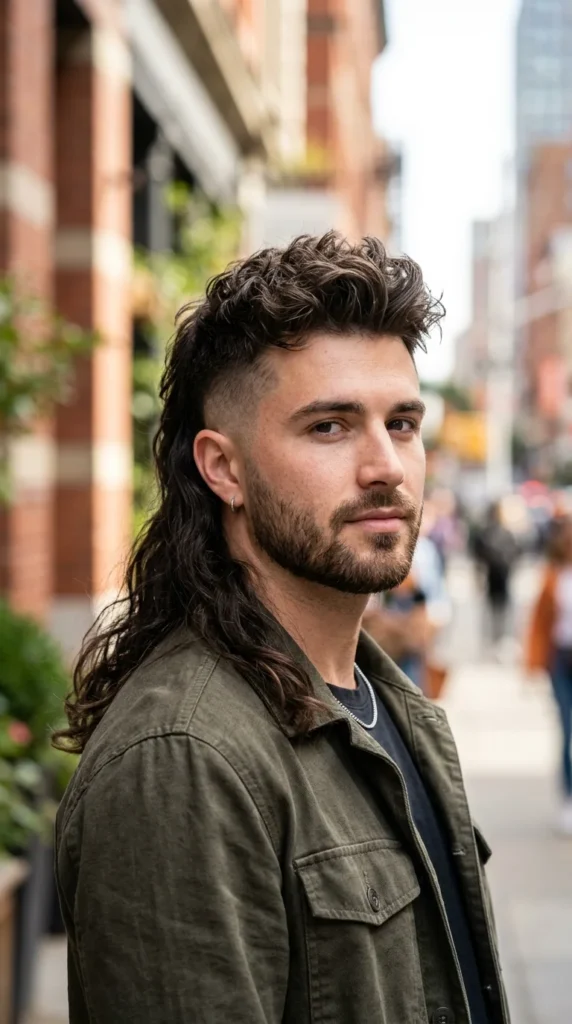
The “modern mullet” or “wolf cut” is a massive trend. By adding a fade to the sides of a mullet, you remove the “shaggy” 80s feel and replace it with a sharp, intentional silhouette that is very popular in alternative fashion circles.
34. Textured Crop Fade
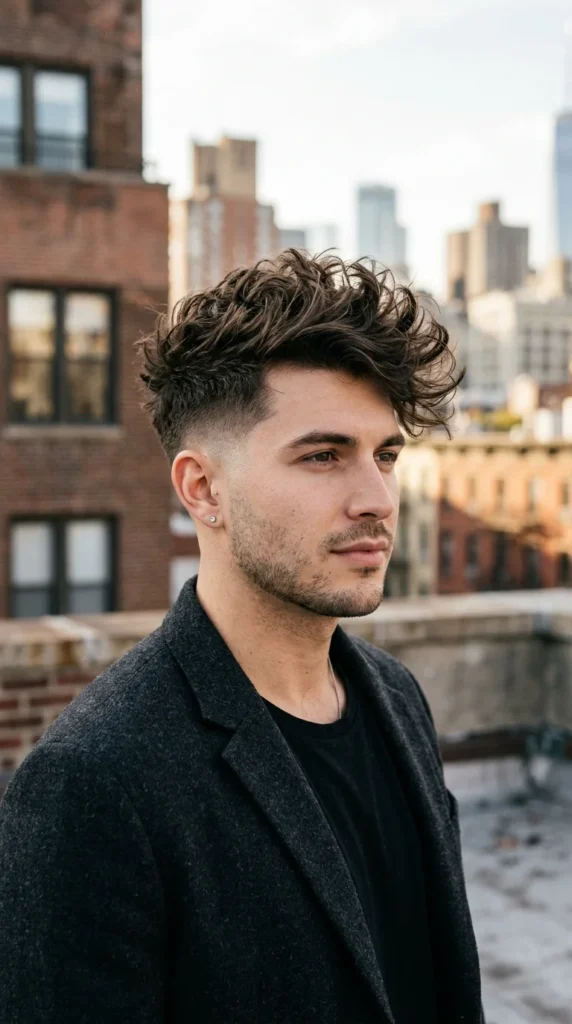
Texture is the name of the game for 2026. The textured crop involves using thinning shears or razors to create “layers” of hair on top, which are then styled with a matte clay. The fade on the sides makes the texture pop even more.
35. Ivy League Fade
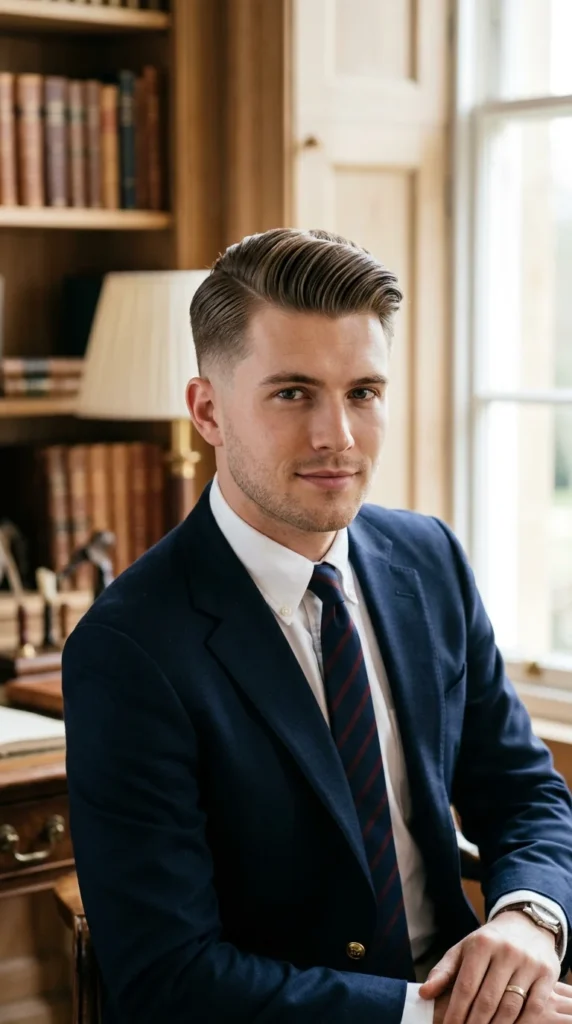
The Ivy League is a longer version of the crew cut. It’s the most “gentlemanly” fade on this list. It’s sophisticated, easy to style, and perfectly suited for men who need to look their best in a professional environment.
How to Maintain Your Fade
A fade is a precision haircut, which means it requires more maintenance than a standard trim. To keep your fade looking sharp:
- Visit your barber every 2-3 weeks: The “blur” of a fade starts to disappear as the hair grows, so frequent visits are necessary.
- Invest in a good mirror: Use a hand mirror to check the back of your neck and keep it clean between appointments.
- Use the right product: For textured fades, use a matte clay. For slicked-back looks, go for a water-based pomade.
- Moisturize your scalp: If you have a skin fade, your scalp is exposed to the elements. Use a light moisturizer or SPF to prevent dryness and sun damage.
Choosing the right fade is about understanding your face shape and your lifestyle. Whether you go for the bold high skin fade or the classic Ivy League, these 35 styles prove that the fade is truly a timeless masterpiece of men’s hair design.