Thin or fine hair often feels like a constant battle against gravity. Traditional layers can sometimes backfire, making the ends look “stringy” or sparse. Enter the “invisible layer”—the hairstylist’s secret weapon. Also known as “ghost layers” or “internal layering,” this technique involves cutting shorter pieces underneath the top section of the hair. These hidden layers act as a scaffolding, pushing the top hair up to create volume while maintaining a thick, blunt perimeter.
If you are looking to boost your hair’s body without sacrificing length or dealing with the choppy look of the 90s, these 25 invisible layered haircuts are the ultimate solution for instant fullness.
1. Ghost Layers

Ghost layers are the gold standard of invisible cutting. The stylist weaves through the hair, snipping internal sections while leaving the top layer untouched. This creates a “ghost” effect where the movement is felt and seen in the bounce, but no distinct lines are visible. It’s perfect for those who want to keep their hair looking long and one-length but hate the flatness.
2. Internal Lob
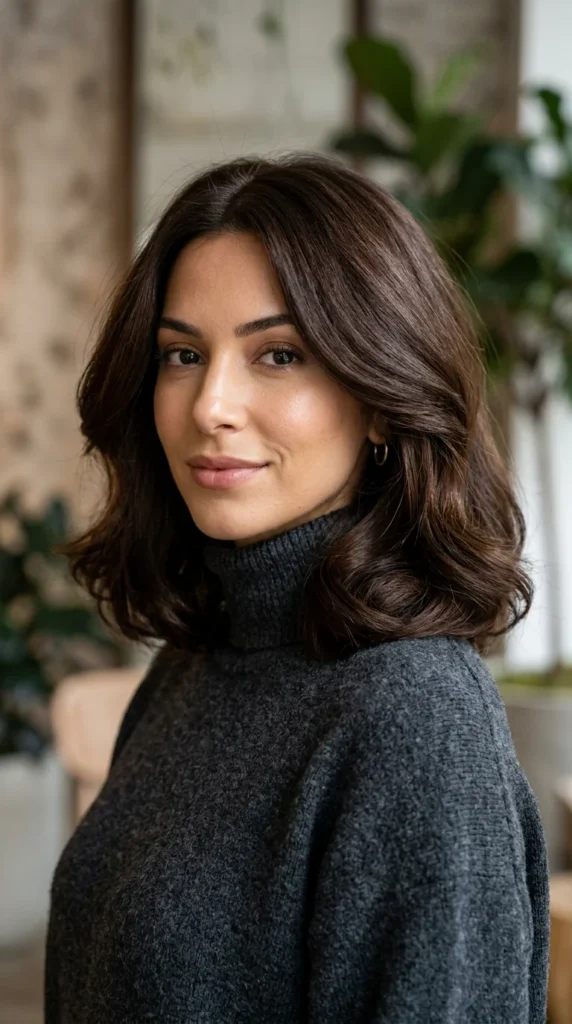
The long bob can often look “triangular” if not cut correctly. By adding internal layers, your stylist removes weight from the mid-lengths, allowing the hair to lift at the roots. This prevents the “bottom-heavy” look and gives the lob a sophisticated, airy fullness that lasts all day.
3. Seamless Framing
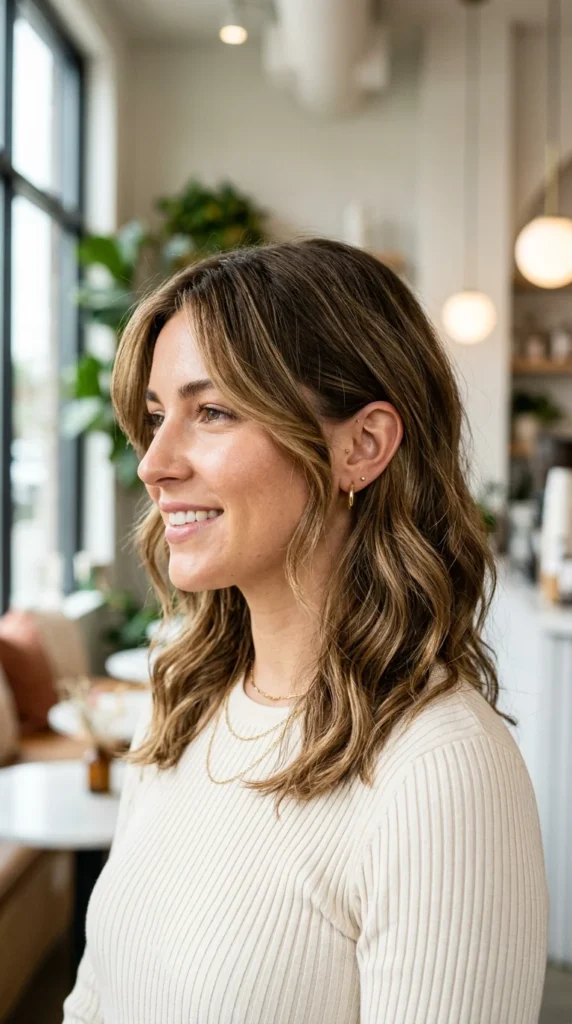
Instead of harsh, stair-step layers around the face, invisible face-framing involves “sliding” the shears down the hair vertically. This creates soft, tapered pieces that blend into the length, giving the illusion of a thicker mane while perfectly contouring the cheekbones and jawline.
4. Subtle Butterfly
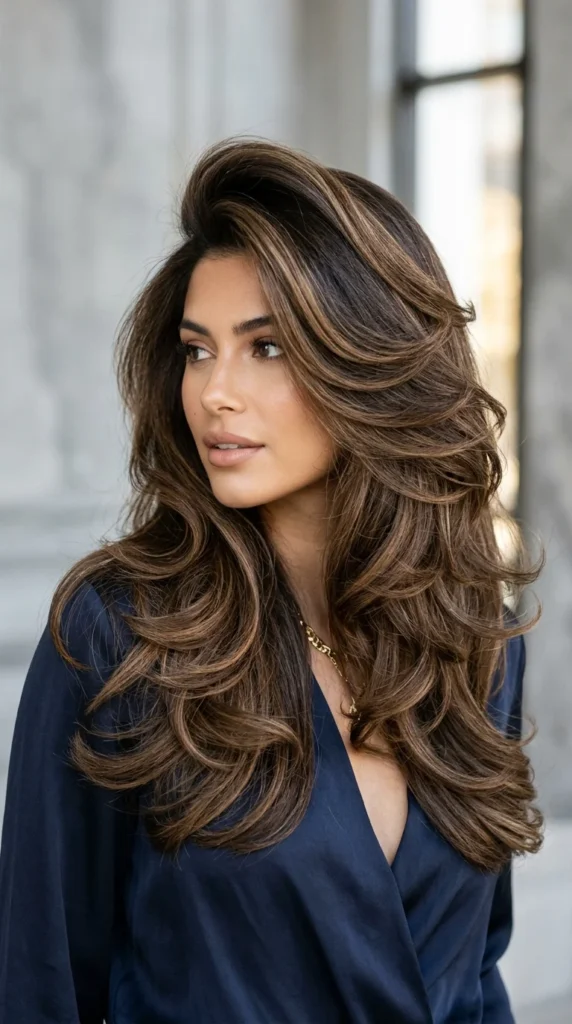
The butterfly cut is trending, but for a fuller look, the “invisible” version is key. Rather than dramatic short-to-long transitions, the layers are cut with a soft hand, focusing on the interior to provide the “lift” required for a voluminous blowout without the shaggy appearance.
5. Airy Midi

The “Midi” cut is the sweet spot for many, but it can easily look limp. By incorporating airy, hidden layers throughout the back, the hair gains a “cloud-like” quality. It feels light to the touch but looks twice as thick as a standard blunt cut.
6. Undercut Volume
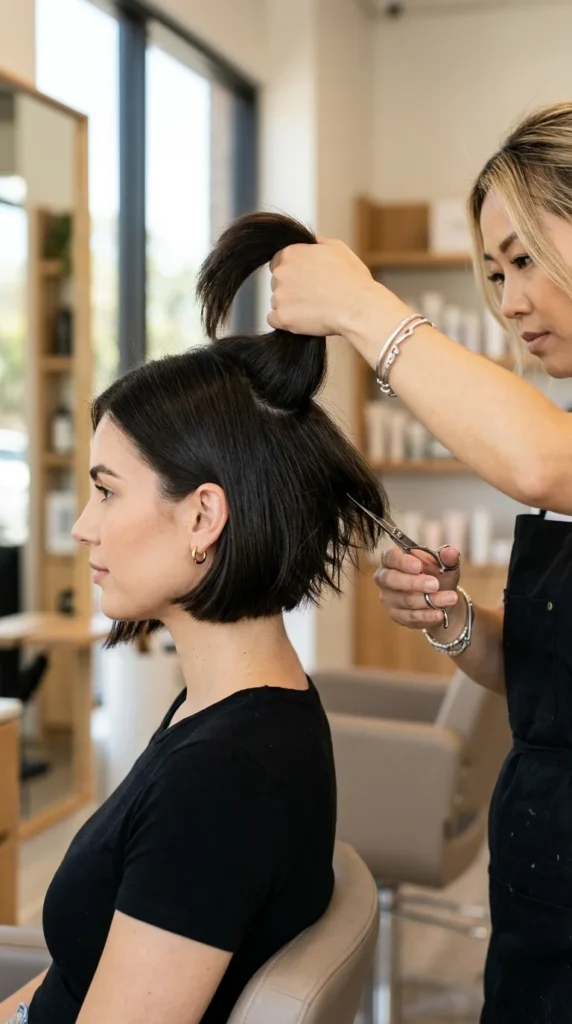
This isn’t a shaved undercut. Instead, it’s a technique where the hair at the nape of the neck is cut slightly shorter than the hair falling over it. This “props up” the top layers, preventing the hair from laying flat against the scalp and creating an automatic boost in circumference.
7. Tapered Ends
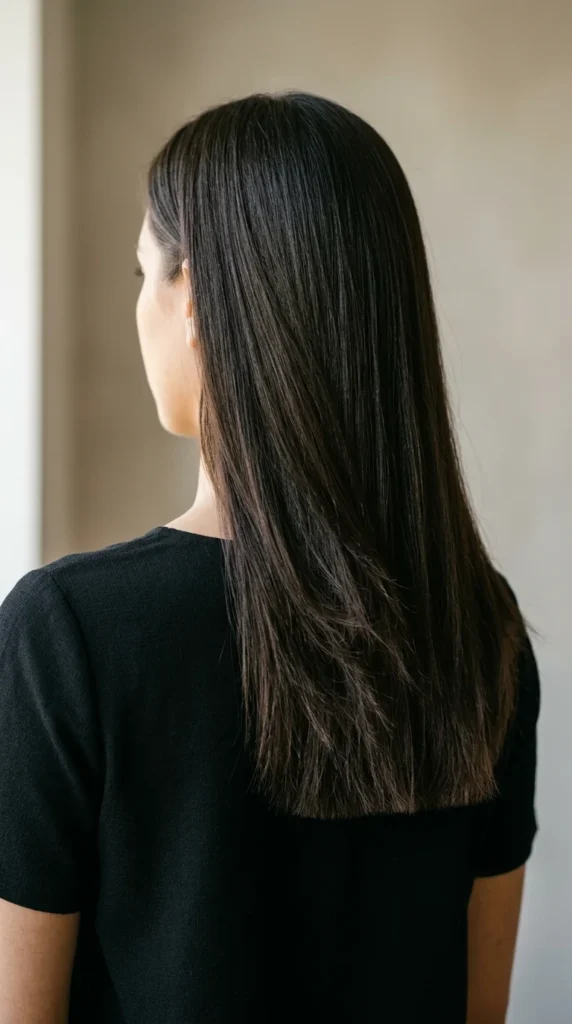
For those who love a blunt edge, tapered internal ends are the way to go. The stylist uses thinning shears or a razor on the internal sections of the ends. This removes the “blocky” feel while keeping the perimeter looking solid, which is essential for making fine hair look thicker.
8. Sliced Bob
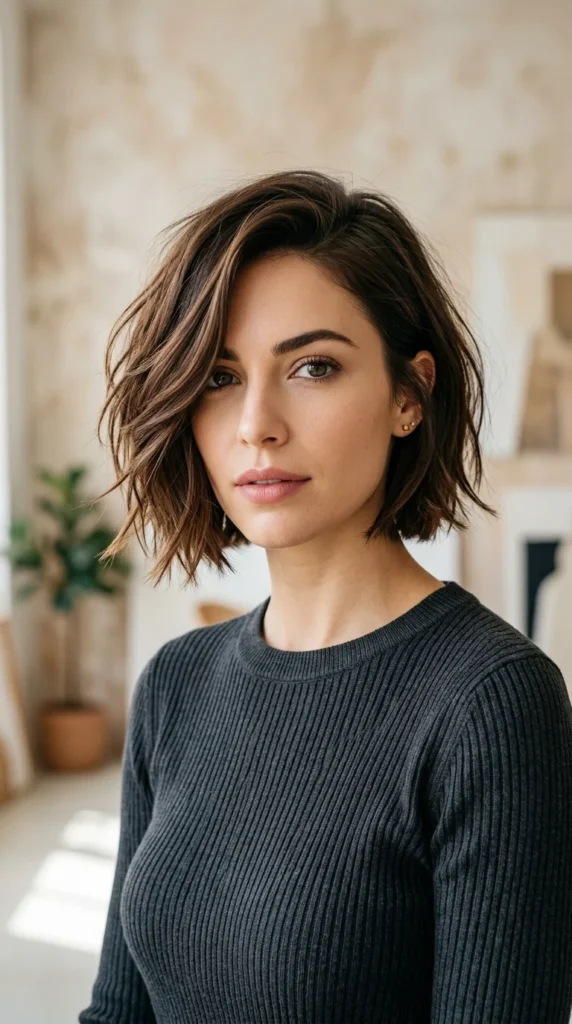
Slicing is a technique where the stylist keeps the shears open and slides them down the hair shaft. In a bob, this creates “channels” of movement. These channels allow the hair to interlock, creating a structural fullness that makes a standard bob look high-fashion and voluminous.
9. Point-Cut Pixie
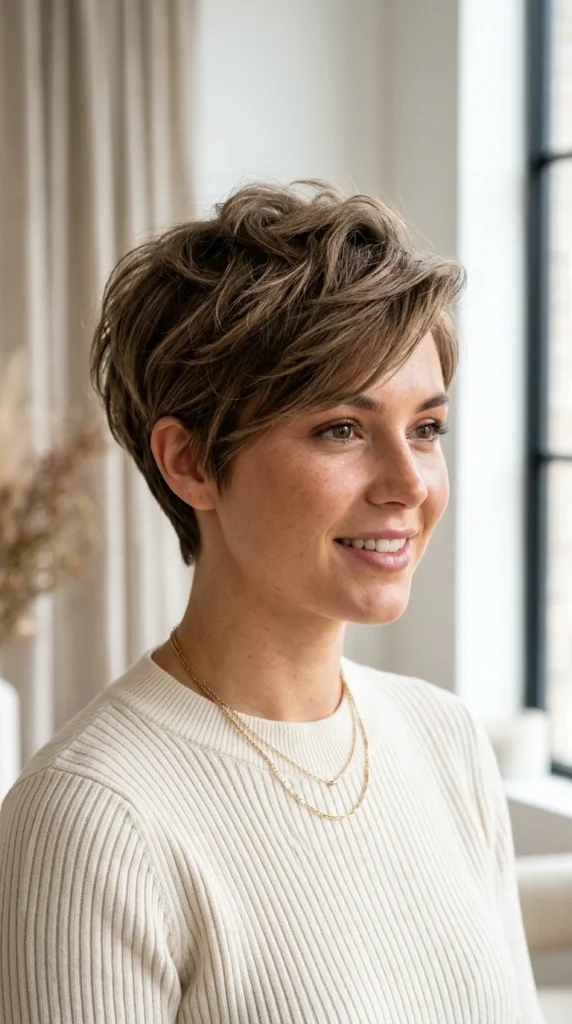
Even short hair needs invisible layers. Point-cutting the interior of a pixie removes bulk where you don’t want it (like the sides) and adds it where you do (the crown). This results in a “plumped” look that is easy to style with just a bit of product.
10. Texturized Shag

The classic shag can sometimes look too thin at the bottom. An “invisible” shag focuses the layering in the middle of the hair shaft rather than the ends. This maintains the cool, rock-n-roll silhouette while ensuring the hair doesn’t look “scraggly.”
11. Soft Curtain
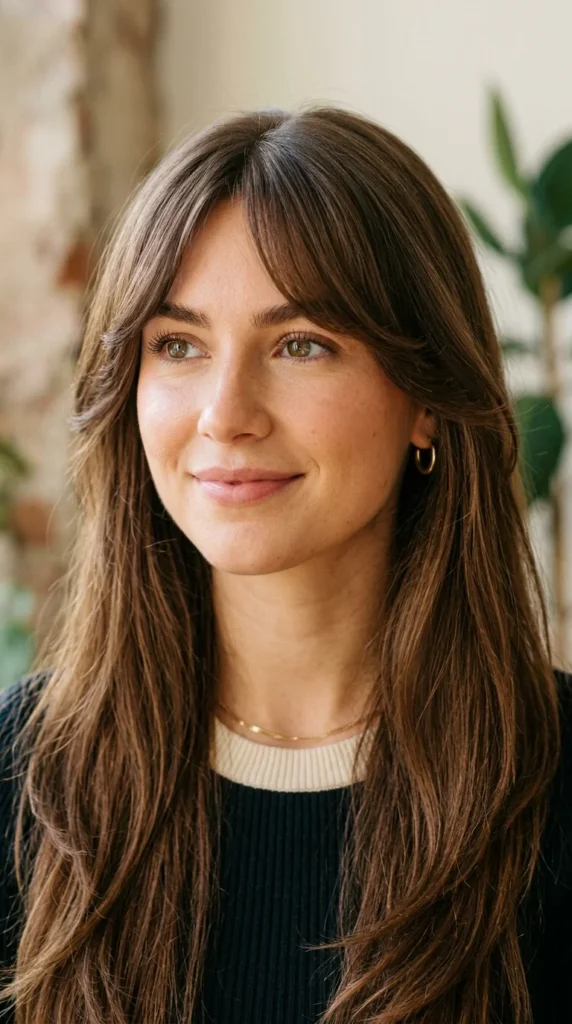
Curtain bangs are a great way to add volume to the front of the hair. When they are cut with invisible layers that transition into the sides, they create a “curtain” of hair that looks dense and frames the face without any “gaps” between the bangs and the length.
12. Whispering Layers
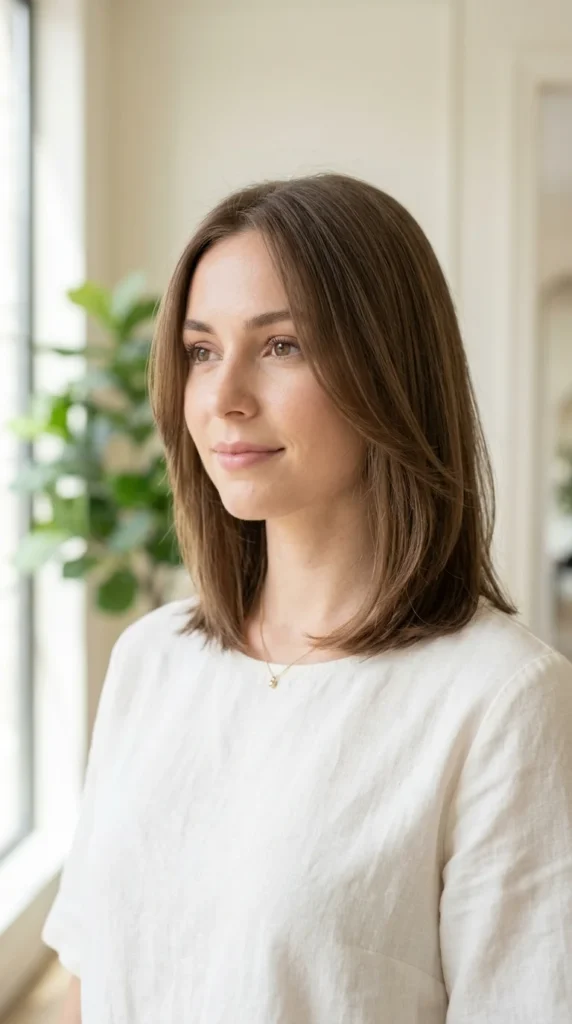
These are the most subtle of all. They are perfect for the person who is “layer-phobic.” It’s about removing just enough weight to stop the hair from looking “triangular” or bottom-heavy.
13. Curated Volume
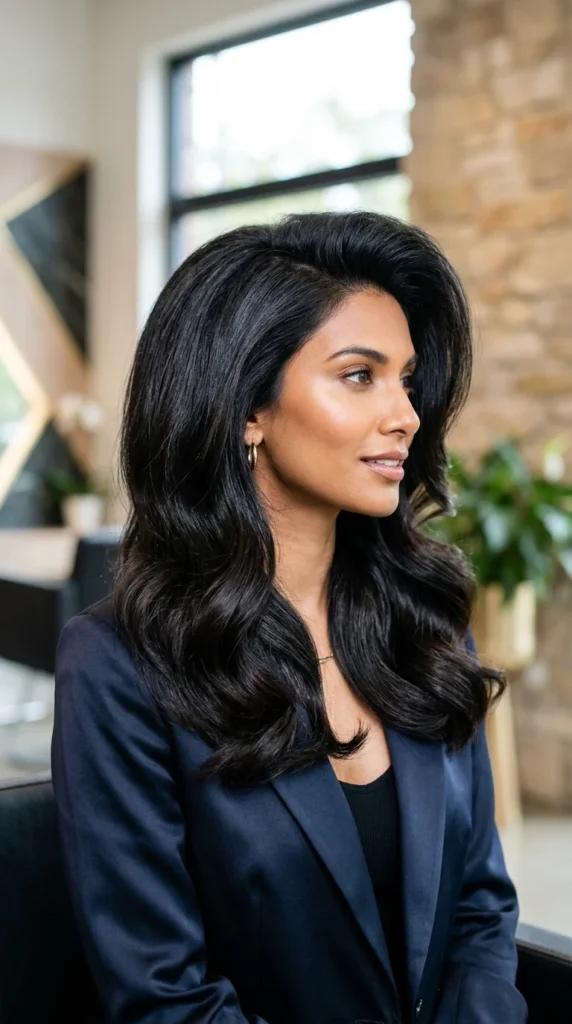
Curated volume involves placing invisible layers specifically where the individual’s head shape needs it most—usually at the crown or the back of the head—to create a balanced, full-bodied look.
14. The “No-Cut” Cut
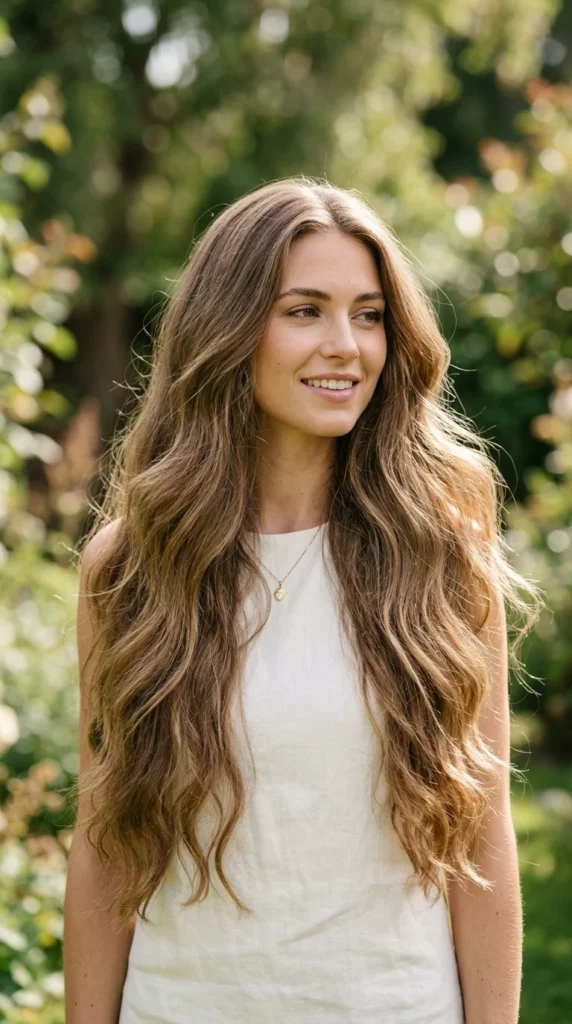
This is the ultimate goal of invisible layering: a haircut that looks like you were just born with incredibly thick, perfect hair. It removes the “dead weight” while leaving the silhouette completely intact.
15. Air-Cut Technique
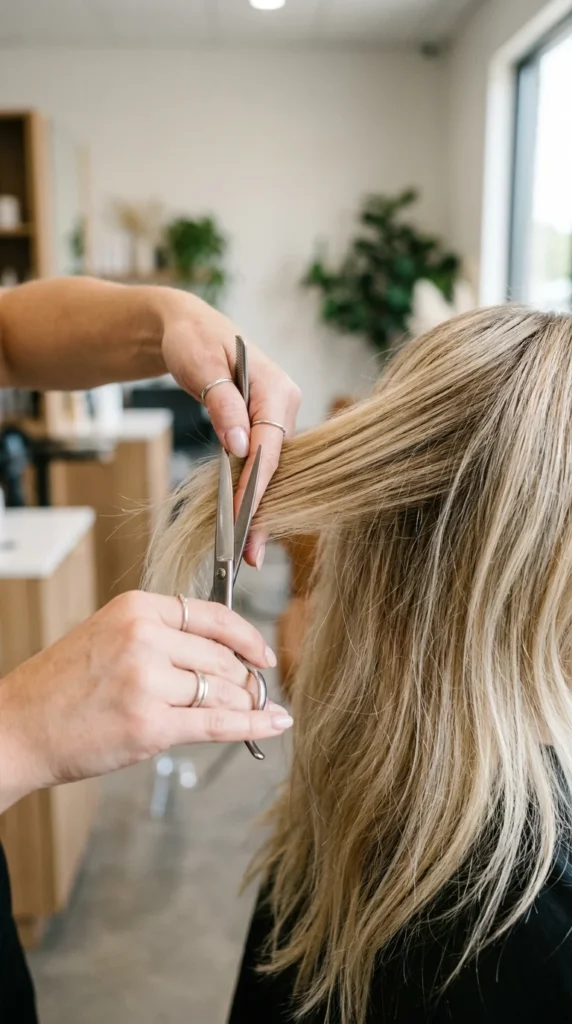
The air-cut is a specific way of performing invisible layers where the stylist “carves” out sections while the hair is dry to see exactly where the volume is needed, resulting in a custom-built fullness.
16. Soft Bluntness
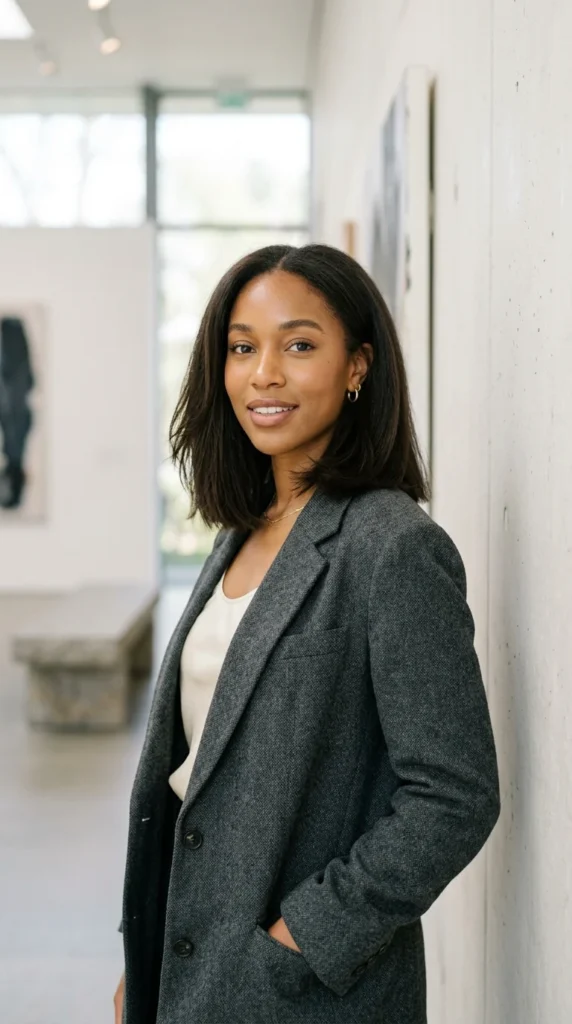
Soft bluntness combines the look of a heavy, thick edge with the movement of layers. The interior is thinned out so the blunt edge doesn’t feel like a heavy “curtain” of hair.
17. Dimensional Midi
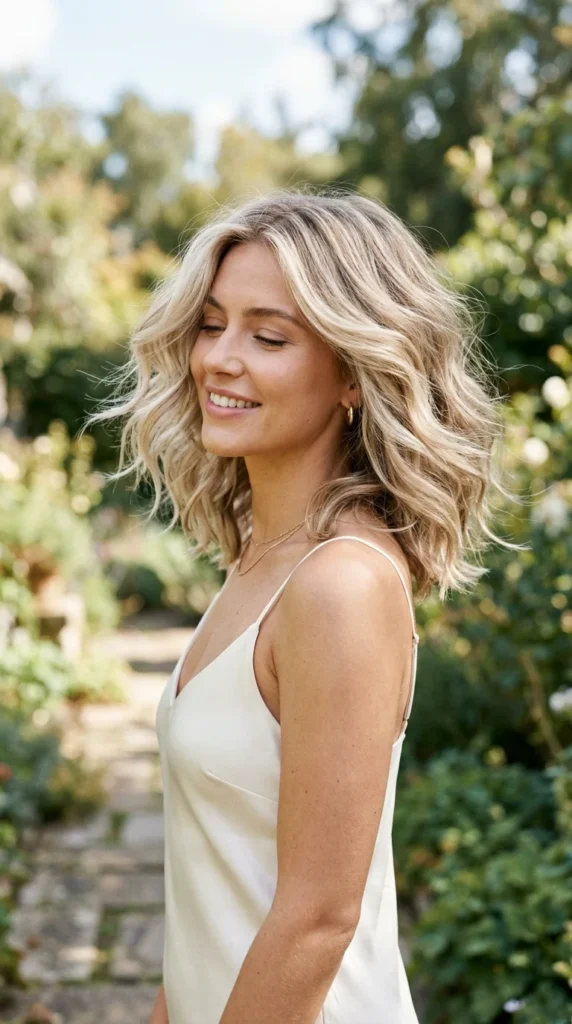
The “Midi” length (between the collarbone and chest) can often look “blah.” Invisible layers add the necessary dimension to make this middle-of-the-road length look intentional and high-fashion.
18. Weightless Curls
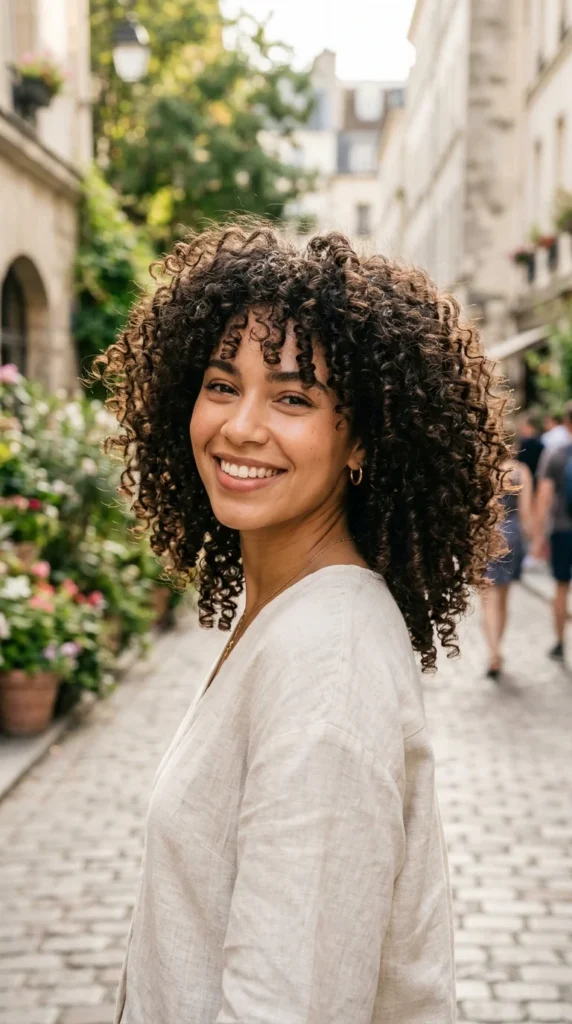
For curly hair, invisible layers are a game-changer. They prevent the “pyramid head” by removing weight from the inside, allowing the curls to spring up and sit on top of each other for maximum volume.
19. The Crown Lift
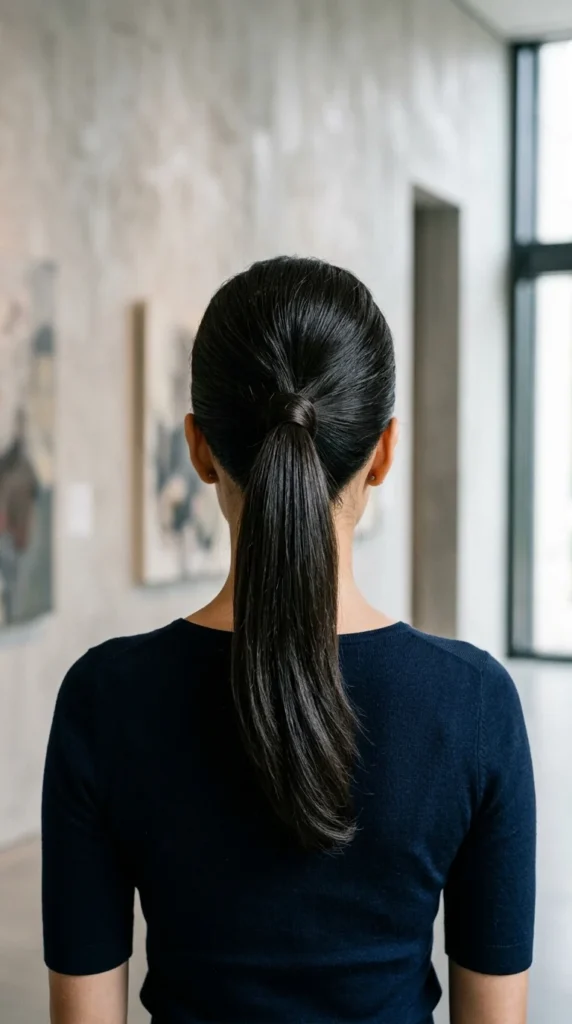
By cutting short, hidden layers right at the crown, the hair is naturally propped up. This is perfect for those who find their hair always goes flat at the top of the head by midday.
20. Invisible Butterfly
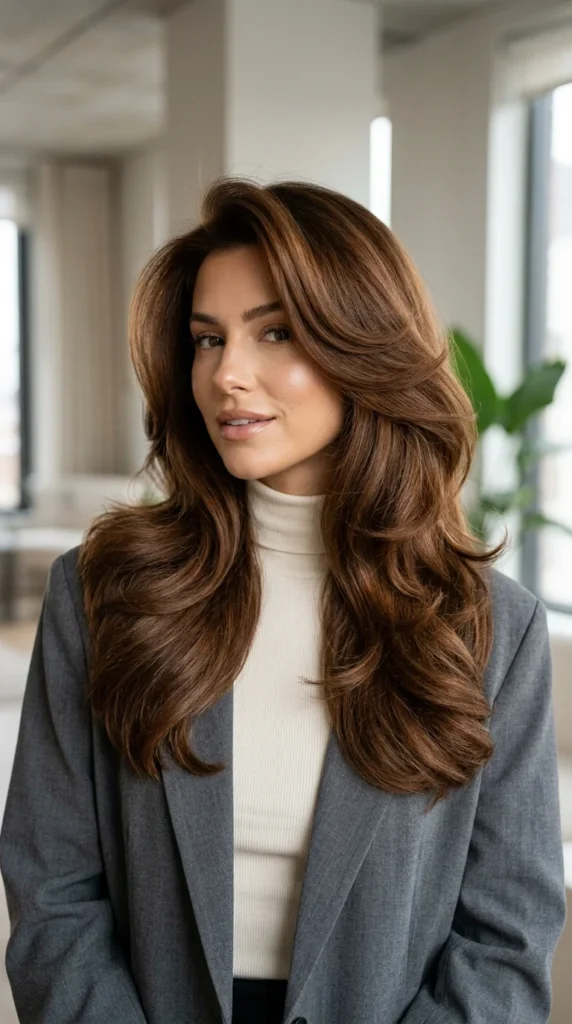
The Butterfly cut is known for its dramatic layers. The “invisible” version uses the same face-framing shapes but blends them so deeply into the rest of the hair that you can’t see where one layer ends and the next begins.
21. Micro-Texture
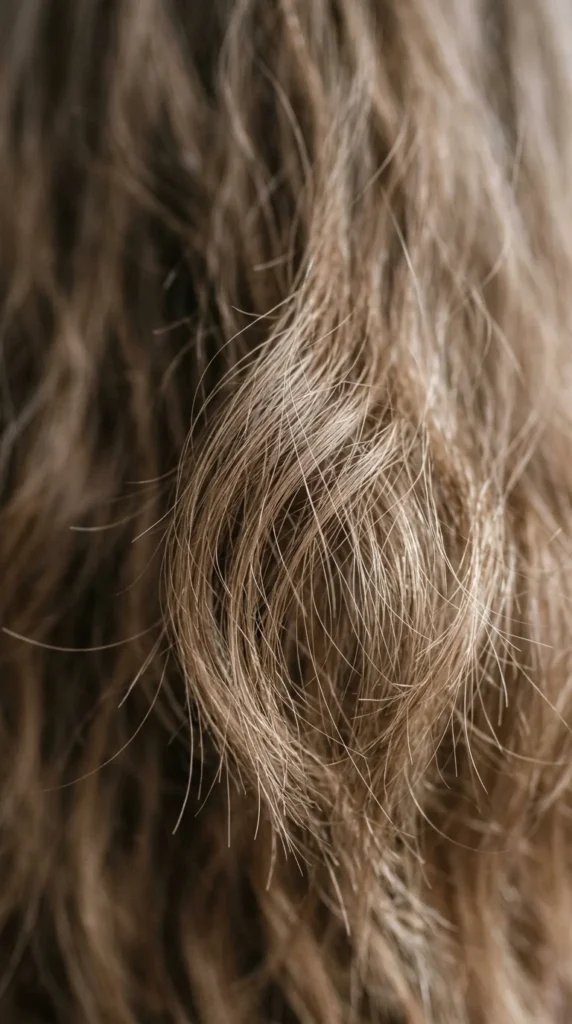
Micro-texture involves taking tiny sections and snipping them at different intervals. It’s like adding thousands of tiny “springs” into the hair to keep it from lying flat against itself.
22. Polished Shag
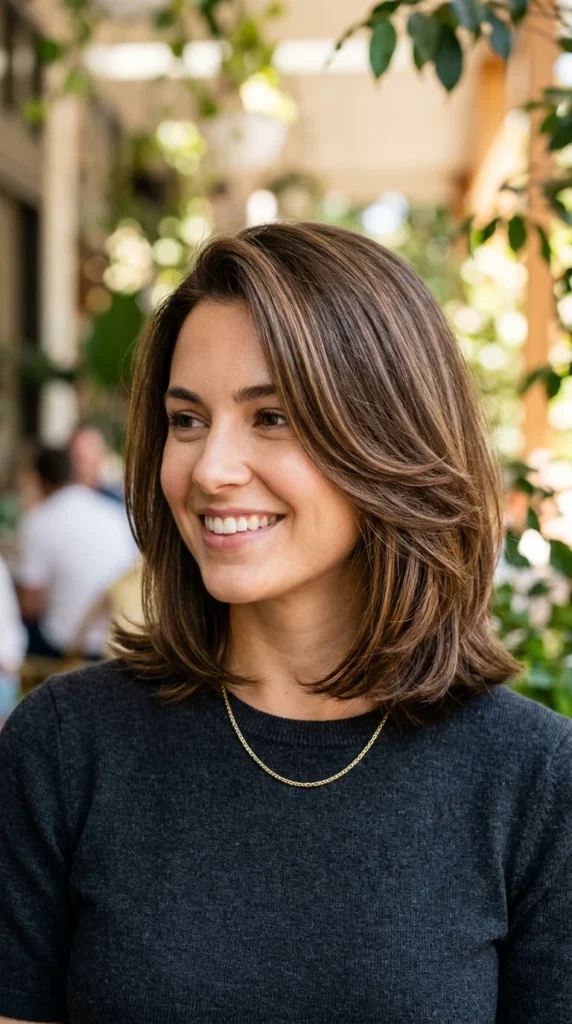
The polished shag is for the professional who wants the volume of a textured cut but needs to maintain a sleek, sophisticated appearance. The “messiness” is all hidden on the inside.
23. Vertical Slicing
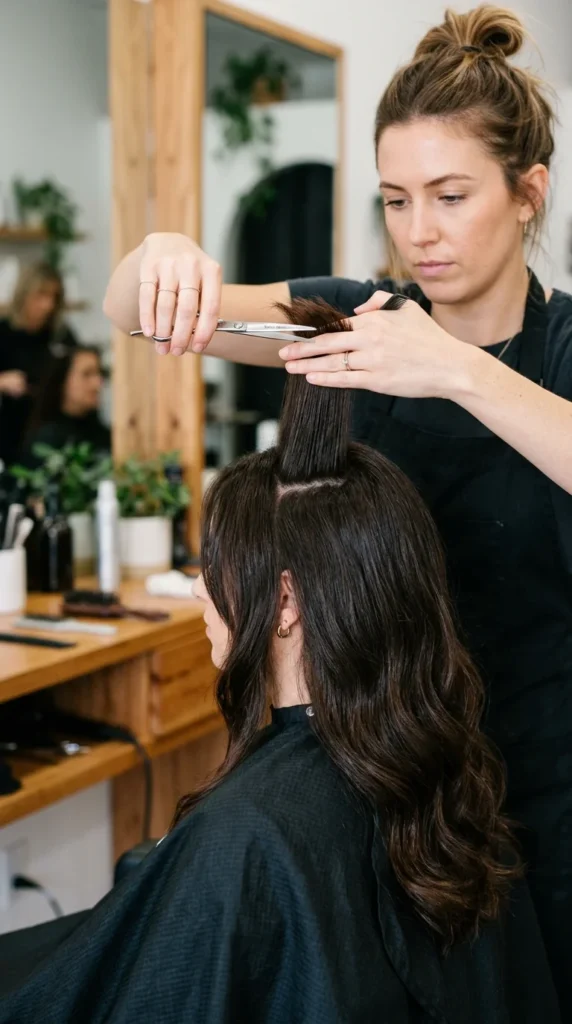
Vertical slicing is a technique used to create invisible layers by removing “slabs” of weight. This allows the hair to collapse inward slightly while the remaining hair looks much denser and more structured.
24. Beveled Interior
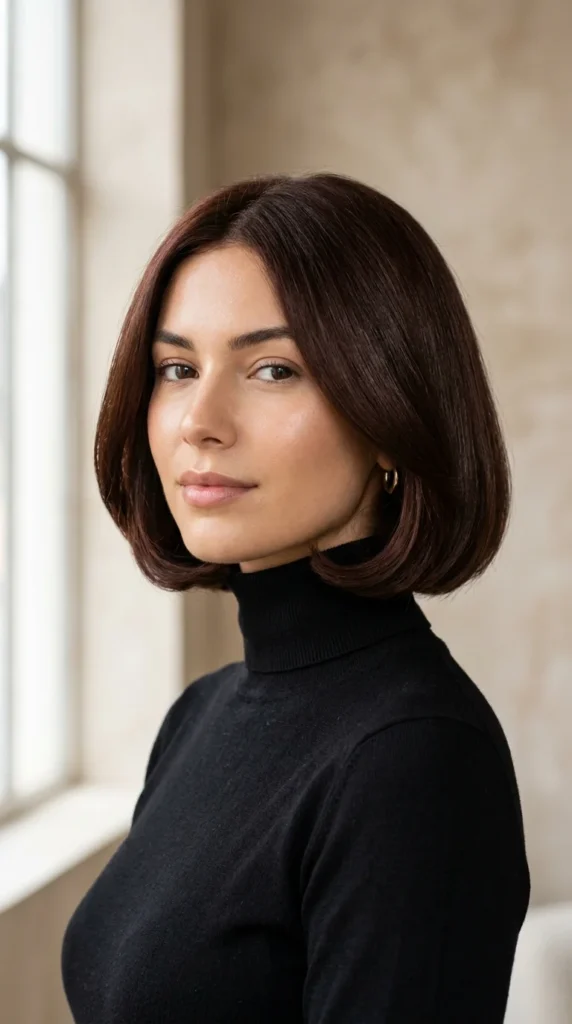
A beveled interior is achieved by cutting the inside layers slightly shorter than the outside. This forces the hair to naturally roll under, creating a “built-in” style that looks full and finished with zero effort.
25. The Waterfall Effect
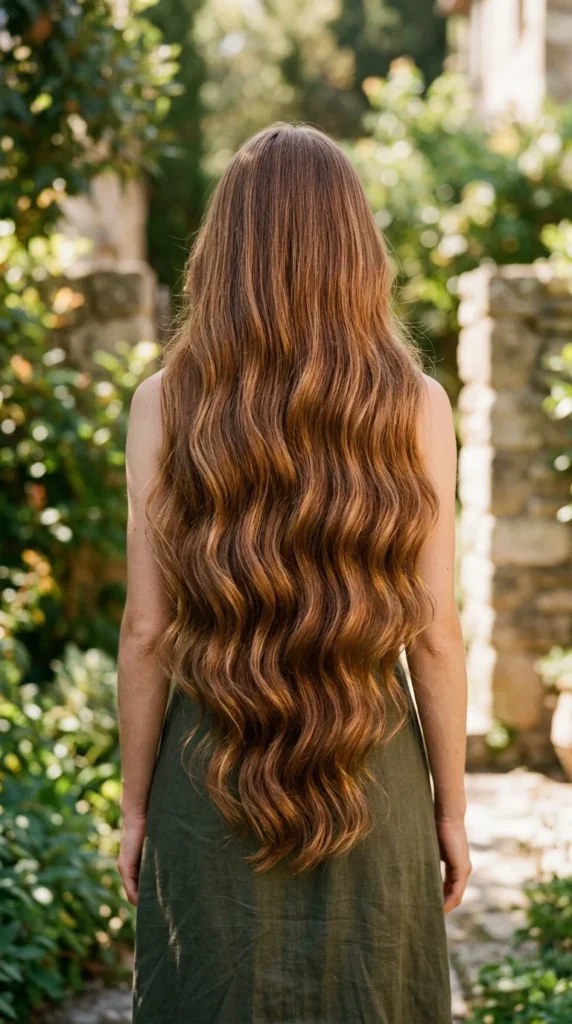
The waterfall effect uses long, diagonal invisible layers to create a sense of cascading volume. It’s the ultimate choice for someone who wants their hair to look like it has its own “pulse”—full of life, thickness, and constant movement.