We’ve all been there: staring at the mirror, noticing those frayed, straw-like ends that no amount of expensive serum or deep-conditioning masks seems to fix. Damaged hair doesn’t just look dull; it loses its bounce, tangles easily, and prevents your style from looking polished. While topical treatments can provide a temporary band-aid, the only true “cure” for split ends is a strategic haircut.
The right cut does more than just remove the damage; it redistributes weight, enhances your natural texture, and creates the illusion of thicker, more vibrant hair. Whether you are looking for a dramatic transformation or a subtle refresh that preserves your length, these 25 haircuts are designed to banish damage and make your hair look instantly healthier.
1. Blunt Bob

The blunt bob is the gold standard for reviving damaged hair. By cutting the hair to one uniform length, you remove the thinnest, most fragile parts of the strands. This creates a solid line at the bottom, which makes the hair appear significantly thicker and healthier. It’s a power move for anyone dealing with heat damage or thinning ends.
2. Internal Layers

If you want to keep your length but need to get rid of “scraggly” ends, internal layers (sometimes called “ghost layers”) are the answer. These layers are cut into the under-sections of the hair. They remove weight and damaged bulk without sacrificing the perimeter of your style, giving you a fresh, bouncy look.
3. Butterfly Cut

The butterfly cut is a viral sensation for a reason. It utilizes heavy layering to remove damage throughout the mid-lengths and ends while maintaining overall length. The shorter layers around the face and crown provide an instant lift, making the hair look full of life and movement.
4. Invisible Trim
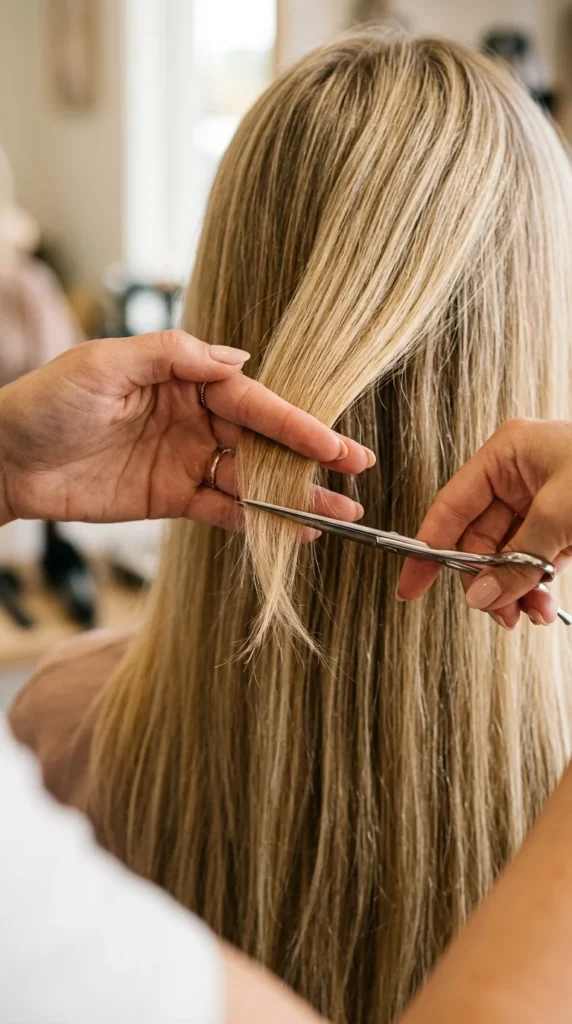
Also known as “dusting,” this technique is for those who are terrified of losing length. The stylist trims only the very tips of the hair—literally the “dust” at the ends. By removing just the split portions, the hair becomes smoother and less prone to further breakage without changing the shape of your current style.
5. Wolf Cut

The wolf cut is a hybrid of the shag and the mullet. Because it relies on heavy, purposeful choppiness, it is excellent for camouflaging damage. The varied lengths throughout the head mean that dry ends are replaced with intentional texture, giving you a cool, effortless aesthetic.
6. Modern Shag

The modern shag uses a razor or thinning shears to create soft, feathery layers. This is particularly effective for people with wavy or curly hair that has become weighed down by damaged ends. By lightening the load, your natural curl pattern can spring back to life, looking much healthier.
7. Glass Hair
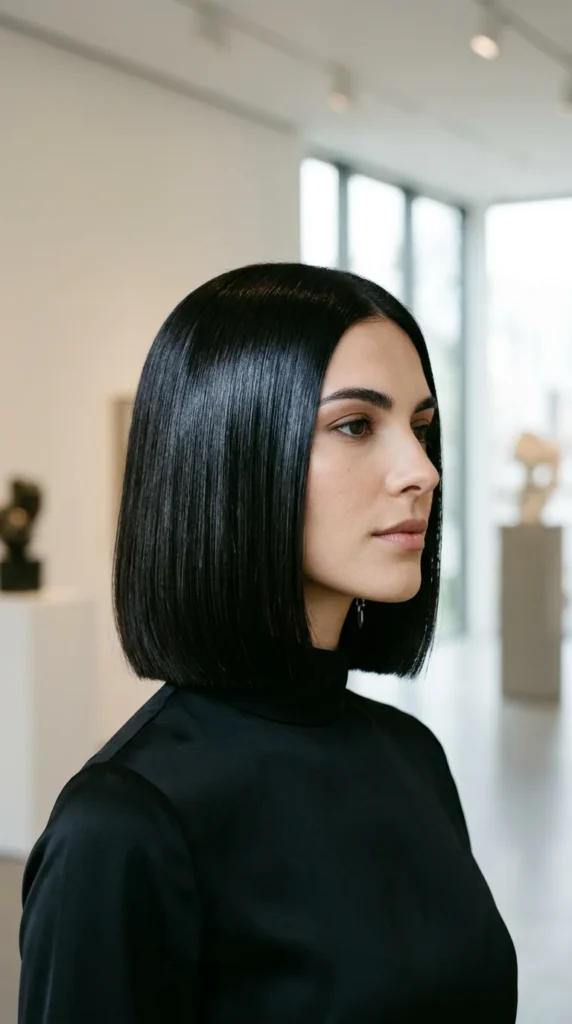
“Glass hair” refers to a blunt cut styled to be perfectly straight and reflective. To achieve this, a stylist must create a very precise, even perimeter. This cut removes every trace of frizz and split ends, resulting in a surface that reflects light brilliantly, signaling peak hair health.
8. Curtain Bangs
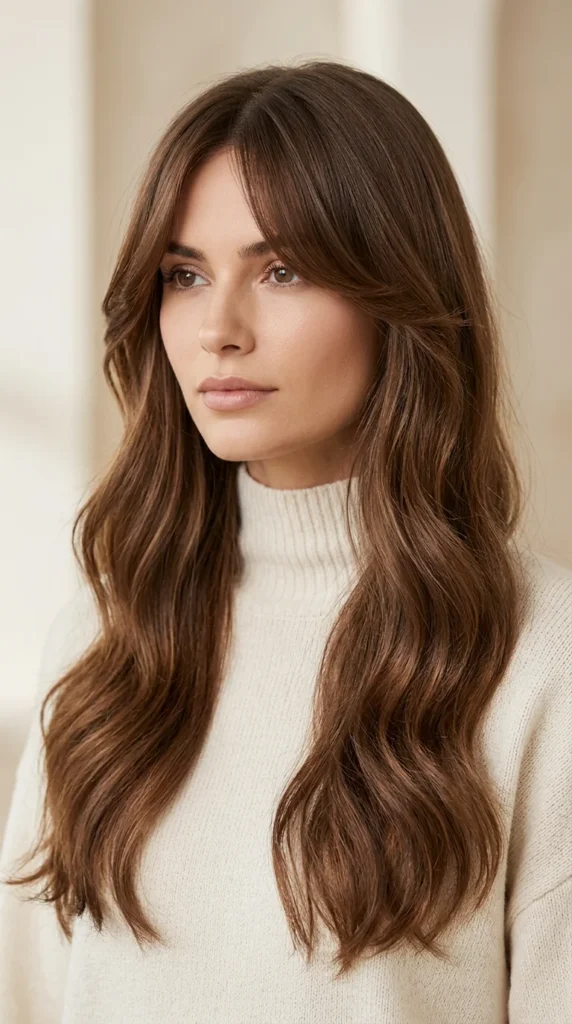
Sometimes, the damage is concentrated around the face due to frequent heat styling. Curtain bangs are a perfect “fix.” They remove the fried pieces around your forehead and temples, replacing them with soft, face-framing fringe that adds a youthful, healthy glow to your overall look.
9. Choppy Pixie

If your hair is severely damaged from bleach or excessive heat, the choppy pixie is the ultimate “big chop.” It removes all the dead weight and allows you to start fresh with completely new, healthy growth. The choppy texture makes it easy to style with just a bit of pomade.
10. Face-Framing Layers

For those who want to keep their long hair but hate the way the front looks “ratty,” face-framing layers are essential. By angling the cut from the chin down, you remove the most distressed strands that have been exposed to the most friction and styling.
11. Midi Flick

The “midi flick” sits right at the collarbone or shoulders. It’s long enough to feel feminine but short enough to eliminate the “dead” weight of long-term growth. Styling the ends to flick out hides any minor unevenness and adds a playful, healthy bounce.
12. Tapered Cut
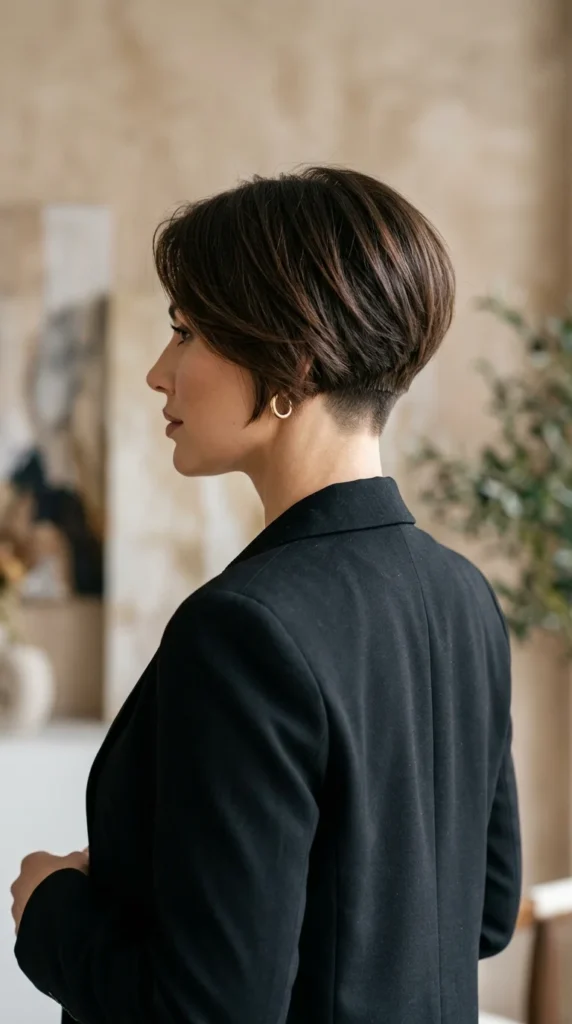
A tapered cut is fantastic for removing damage at the back of the head, where friction from pillows and scarves often causes breakage. By keeping the length concentrated at the top and tapering the sides and back, you maintain a stylish shape while cutting away the worst of the damage.
13. Long V-Cut
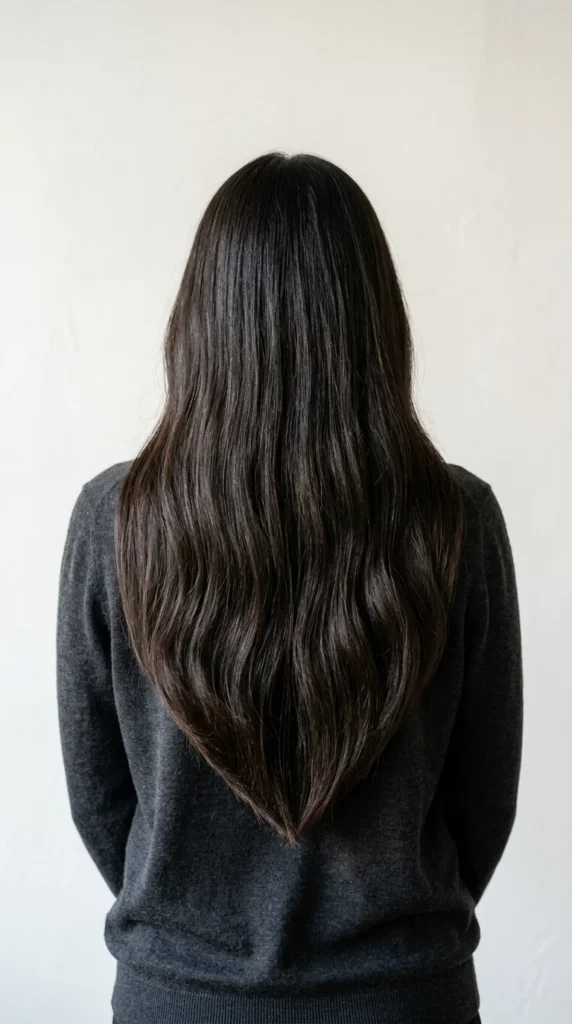
If your hair feels thin and wispy on the sides, a V-cut can help. This technique keeps the length in the center back but angles the sides upward. It removes the “see-through” ends that often plague long-haired individuals, making the remaining hair look denser.
14. Clavi-Cut

The clavi-cut is the perfect “medium” ground. It hits exactly at the collarbone, which is a universally flattering length. Because it clears the shoulders, it avoids the constant rubbing that causes split ends in the first place, helping your hair stay healthier for longer.
15. French Bob

The French bob is typically cut at mouth level. It is a chic, shorter version of the bob that removes a significant amount of hair. Because it is often styled with a bit of natural texture, it hides the appearance of any remaining dryness while giving you a sophisticated edge.
16. Rounded Layers
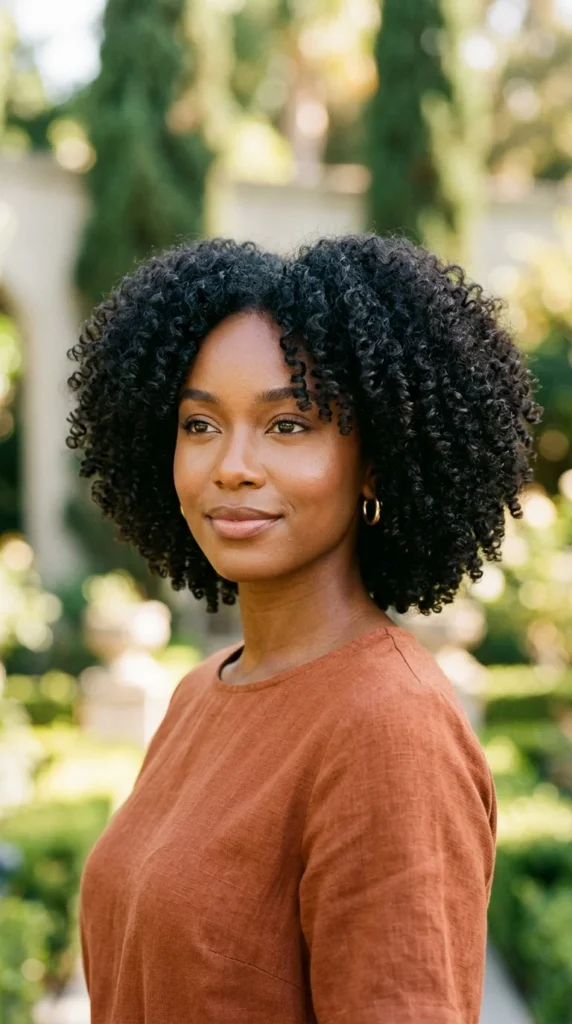
For those with 3C to 4C hair patterns, damage often manifests as a loss of curl definition. Rounded layers remove the heavy, straight ends that “pull” the curl down. This cut restores the circular shape of the hair, allowing curls to pop and look hydrated.
17. Bottleneck Bangs

Bottleneck bangs are a hybrid between a full fringe and curtain bangs. They are excellent for refreshing a tired look. By cutting into the top section of the hair, you remove the oldest, most weathered strands, instantly brightening the face and making the hair look intentionally styled.
18. Blunt Lob

The “lob” (long bob) is a low-maintenance favorite. When cut bluntly, it provides the same thickening benefits as a short bob but allows you to keep enough length for a ponytail. It’s the perfect transition cut for someone growing out damage.
19. U-Cut
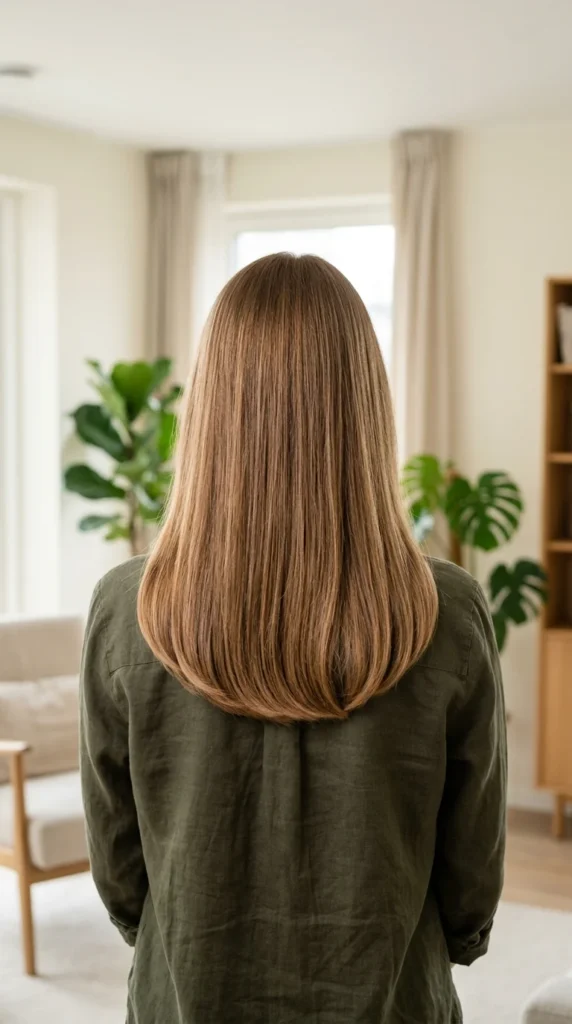
The U-cut is a softer version of the V-cut. It removes the damaged “corners” of the hair but keeps a more rounded, natural appearance. This is ideal for medium-to-thick hair types that need the weight removed to look healthy and flowing.
20. Asymmetrical Bob
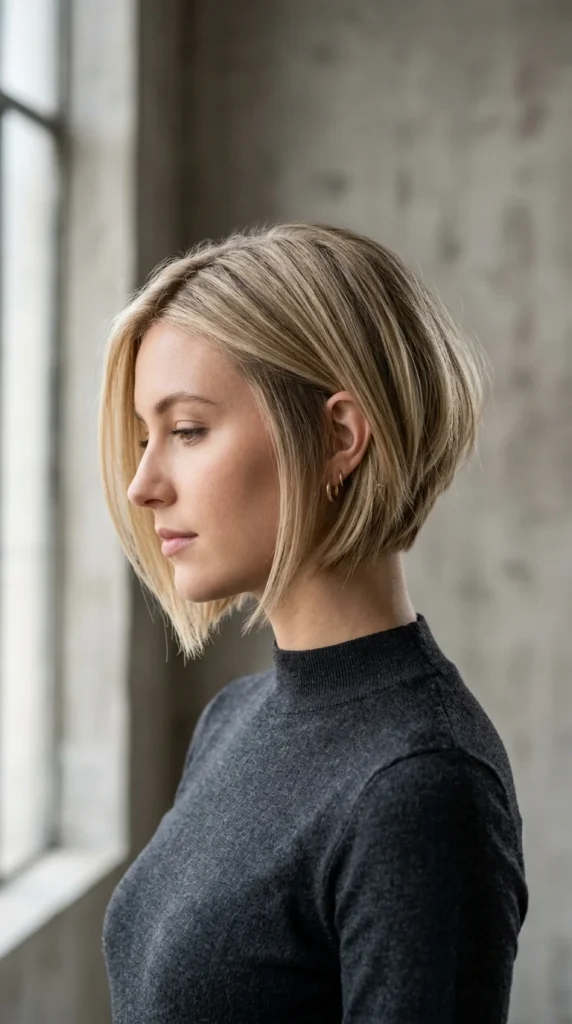
If your damage is uneven—perhaps one side is more broken than the other due to how you sleep—an asymmetrical bob can mask this perfectly. It’s a stylish, intentional way to cut away damage while maintaining a “look.”
21. Wispy Bangs

Sometimes, you don’t need a full cut to feel healthier. Wispy bangs remove a small section of hair at the front that is often the most prone to split ends from forehead products and heat. This small change can make your entire head of hair look rejuvenated.
22. Feathered Ends

Feathering is a technique used to soften the ends of the hair. If your ends look “blocky” and dry, feathering them out creates a soft, blurred effect that hides individual split ends and gives the hair a light, healthy movement.
23. Bixie Cut

The “bixie” is for those who want the ease of a short cut without the commitment of a full pixie. It’s a shaggy, layered style that focuses on removing damaged bulk while keeping a feminine, face-framing length.
24. Tapered Afro
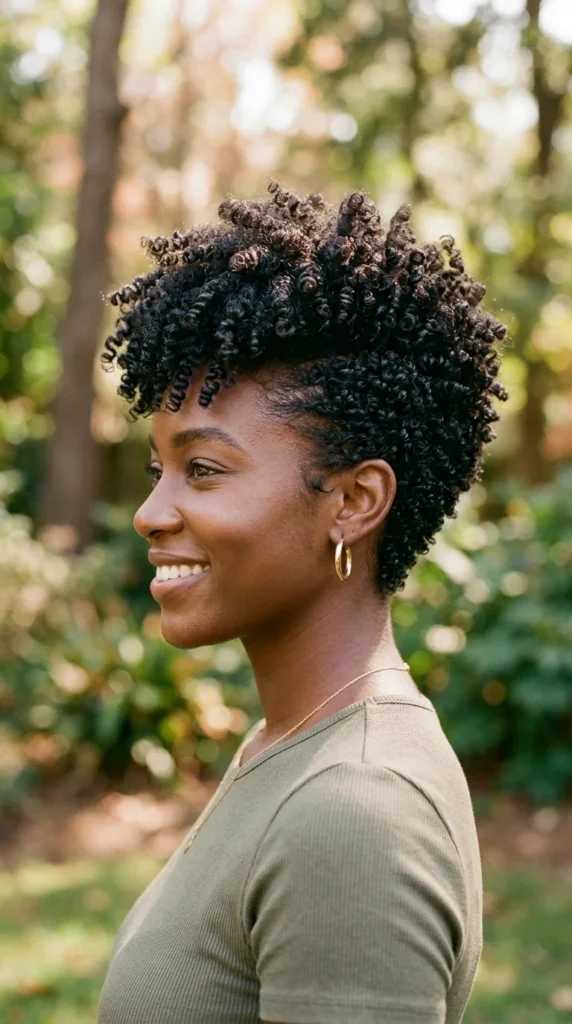
A tapered afro is a beautiful way to manage natural hair damage. By keeping the sides and back short, you minimize the amount of detangling and friction required, which allows the hair at the top to grow in strong and healthy.
25. Italian Bob
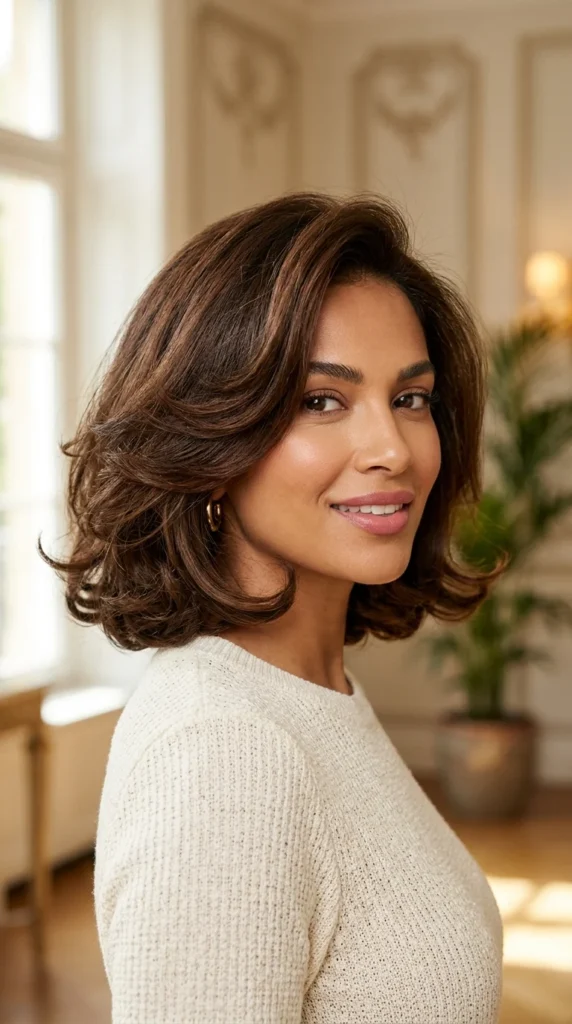
The Italian bob is all about volume and “expensive-looking” hair. It’s cut a bit longer than a French bob and features more internal weight. This weight makes the hair look incredibly dense and lush, effectively hiding any signs of past damage with sheer volume.
Maintaining Your Fresh Cut
Once you’ve chosen the perfect cut to fix your ends, maintenance is key to keeping the damage away:
- Trim regularly: Every 8–12 weeks to prevent split ends from traveling up the hair shaft.
- Lower the heat: Try air-drying or using heat-protectant sprays every time you style.
- Silk pillowcases: Reduce friction while you sleep to prevent new breakage.
- Deep condition: Keep those fresh ends hydrated to maintain the “just-cut” look for longer.