For those with fine hair, the struggle for volume is a daily battle. You’ve likely tried every volumizing mousse, root-lift spray, and “thickening” shampoo on the market, only to find your locks falling flat by midday. The secret to transforming limp strands into a full-bodied mane isn’t always found in a bottle; often, it’s found in the geometry of a great haircut.
The angled bob—also known as the A-line bob or the graduated bob—is a masterclass in structural illusion. by cutting the hair shorter at the back and gradually lengthening it toward the front, you create a natural “stack” of hair that pushes the weight forward and upward. This builds internal structure and gives the appearance of density where it matters most.
Whether you prefer a sharp, sleek finish or a soft, textured look, these 22 angled bob variations are specifically designed to give fine hair the architectural boost it needs.
1. Classic A-Line
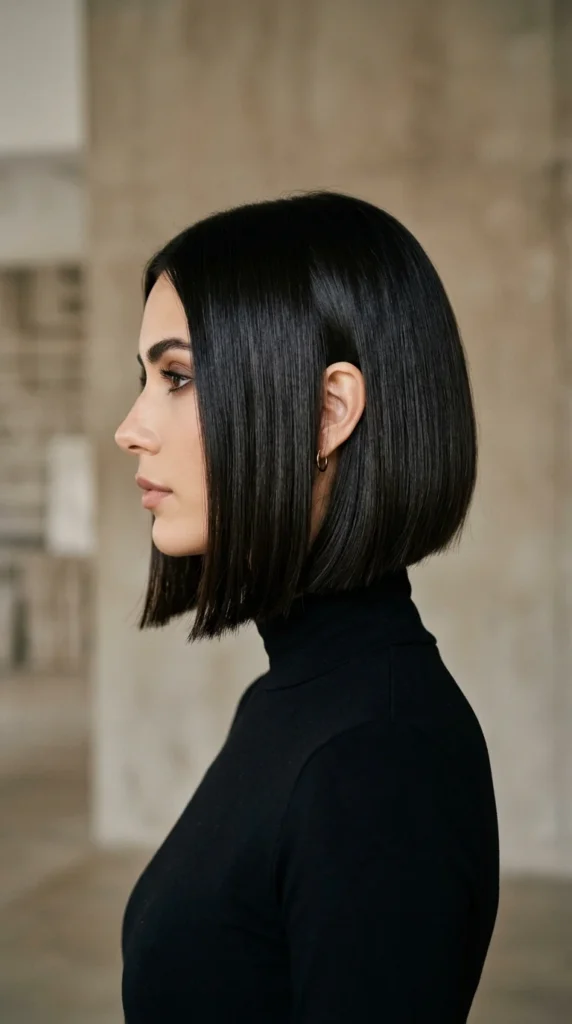
The Classic A-Line is the gold standard for fine hair. Because it features a clean, blunt edge without any thinning or heavy layering, the hair maintains its maximum weight at the bottom. This “bluntness” creates a thick-looking hemline that makes the hair appear much denser than it actually is. It’s a timeless, sophisticated look that works beautifully on straight hair.
2. Stacked Back
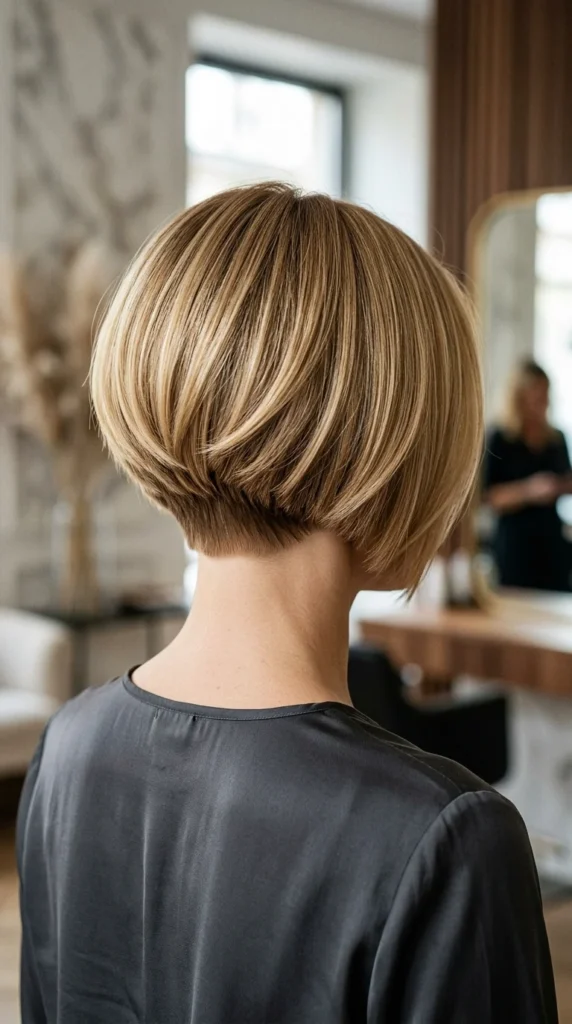
If you want maximum lift at the crown, the stacked back is your best friend. By graduating the hair at the nape of the neck, the stylist creates a “base” for the top layers to sit on. This physical stacking pushes the hair away from the scalp, providing gravity-defying volume that won’t fall flat, even without a ton of styling product.
3. Blunt Angle
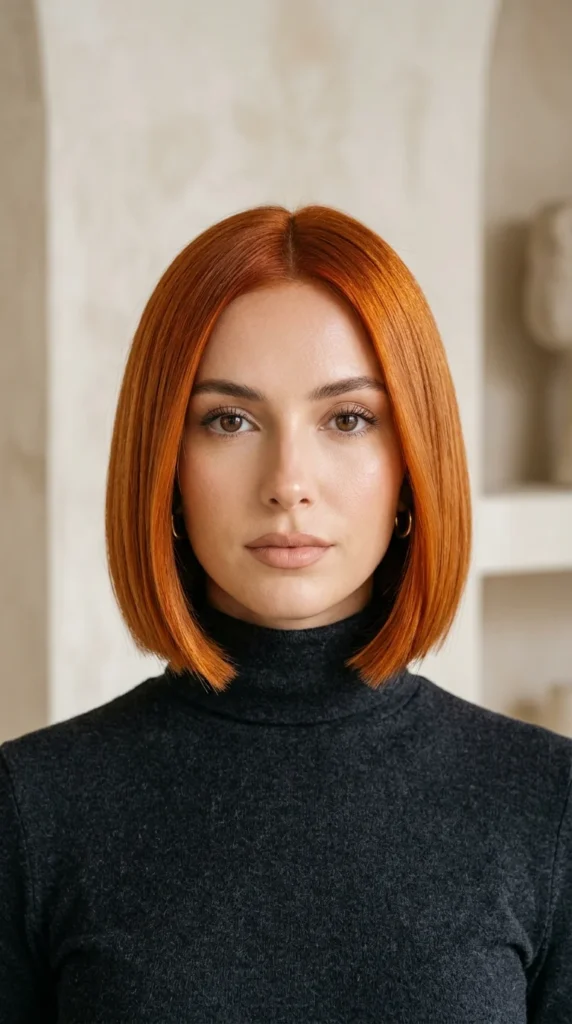
For fine-haired individuals, “wispy” is often the enemy. A blunt angled bob avoids thinning out the ends, which is a common mistake that can make fine hair look stringy. By keeping the ends thick and uniform, the hairstyle creates a solid frame for the face, making the overall silhouette look much more substantial.
4. Textured Layers

While blunt cuts add weight, textured layers add “air.” For fine hair that has a bit of natural wave, adding internal layers can help the hair spring up rather than being weighed down. The key is to keep the layers long enough that they don’t look sparse, but short enough to create a ruffled, voluminous texture.
5. Asymmetrical Edge
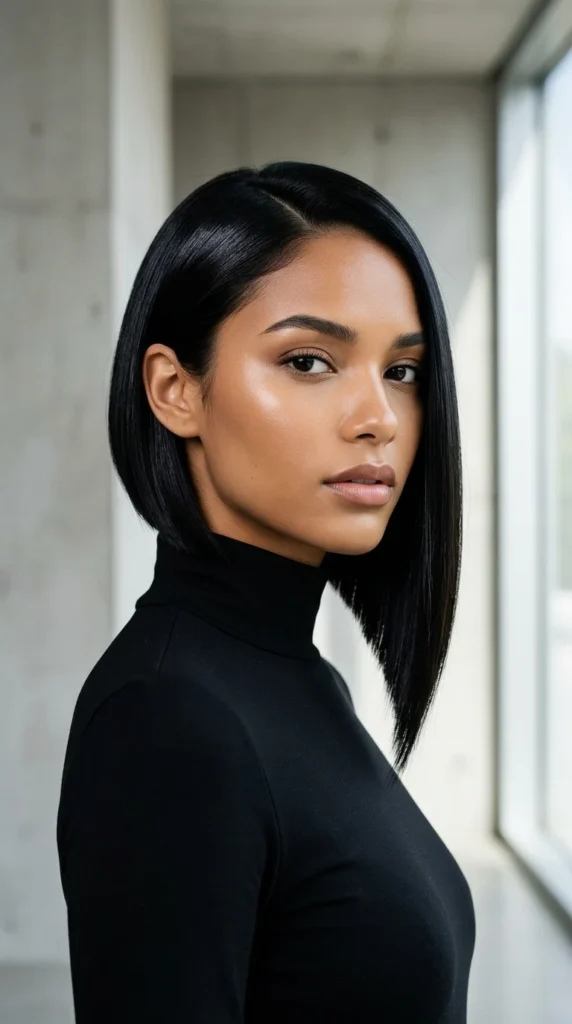
Asymmetry is a fantastic trick for fine hair because it breaks up the eye’s focus. By having one side longer than the other, you create a sense of movement and “bulk” on the longer side. This edgy take on the angled bob is perfect for those who want a high-fashion look that feels thick and intentional.
6. Choppy Ends
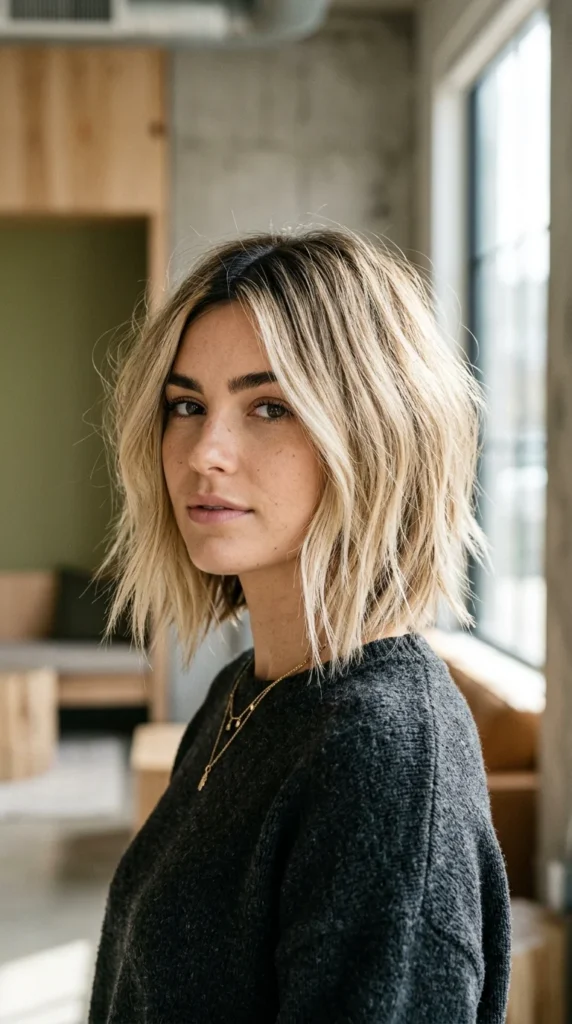
Choppy ends involve a technique called point-cutting, where the stylist cuts into the ends of the hair vertically. This creates a “shattered” effect that adds grit and volume. For fine hair, this prevents the “helmet” look and allows the hair to expand horizontally, creating the illusion of more strands.
7. Deep Side Part
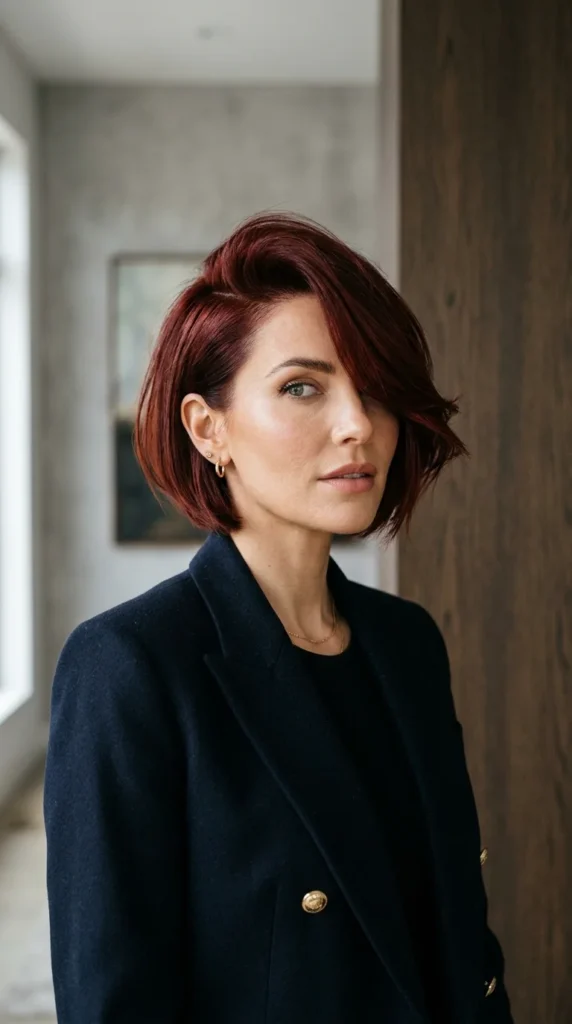
Changing your part is the easiest way to get instant volume. A deep side part on an angled bob forces a large section of hair over the top of the head, creating a “wave” of volume at the roots. This makes the top of the hair look incredibly thick while the angled cut maintains the shape.
8. Soft Inversion
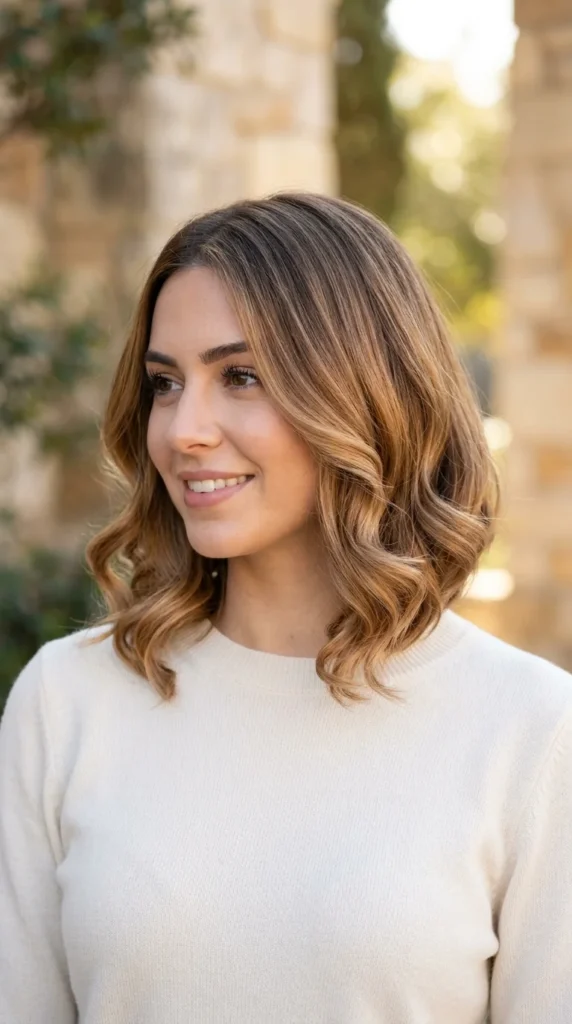
Not every angled bob needs to be sharp and dramatic. A soft inversion offers a more conservative slope but still provides the structural benefits of the cut. This is a great choice for those transitioning from long hair who want to keep some length around the face while enjoying the fullness of a shorter back.
9. Wispy Fringe
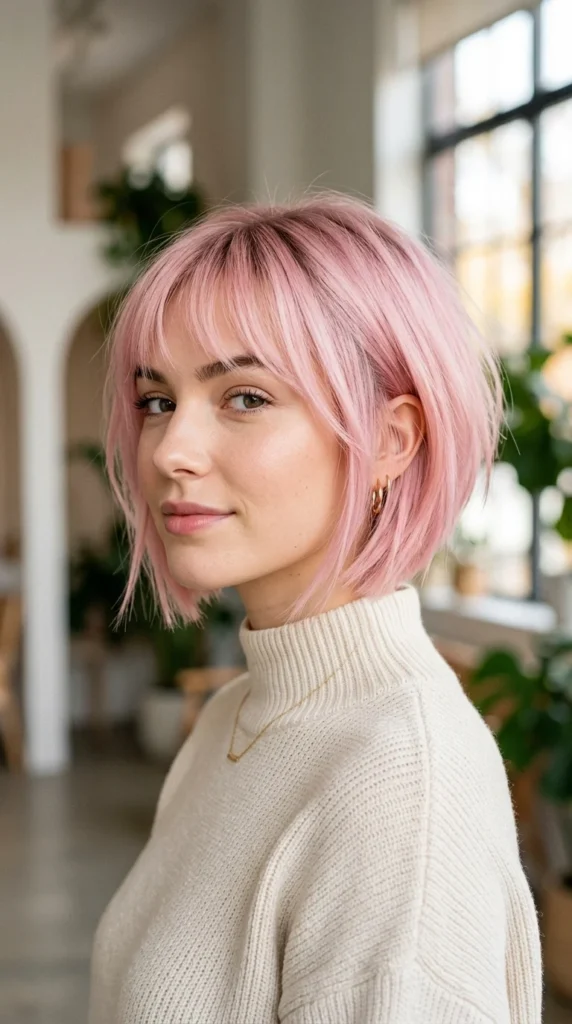
Adding a fringe can actually make the rest of your hair look thicker. By dedicating a small portion of hair to the front, you create layers of depth. A wispy fringe doesn’t take too much density away from the sides, but it adds a new dimension to the hairstyle that feels full and complete.
10. Razor-Cut Sharpness
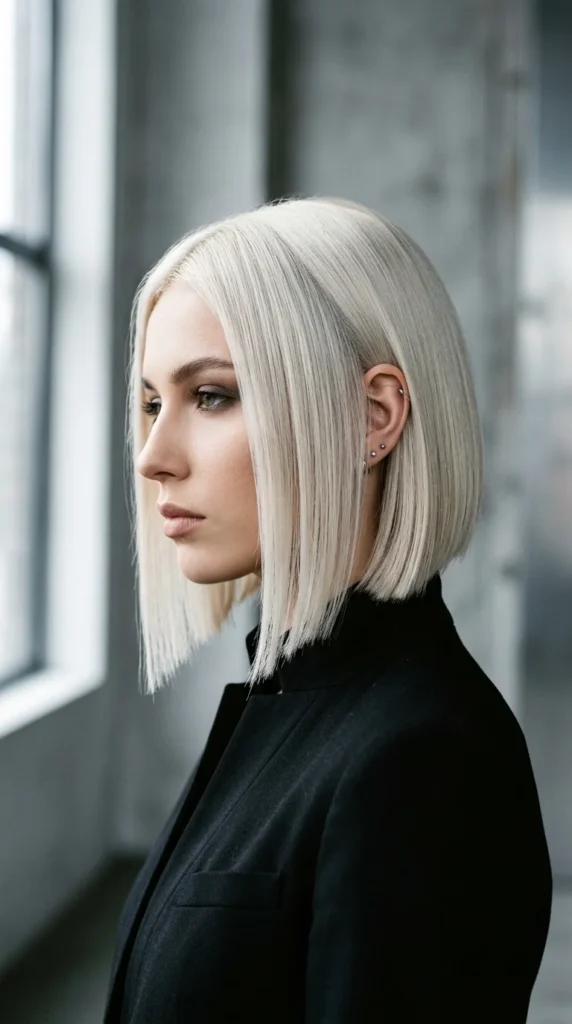
A razor cut allows for a tapered finish that can make the hair lay perfectly flat against the neck while appearing voluminous at the crown. For fine hair that is also very straight, the razor provides a level of precision that makes the angled silhouette look like a piece of art.
11. Root-Lifted Waves
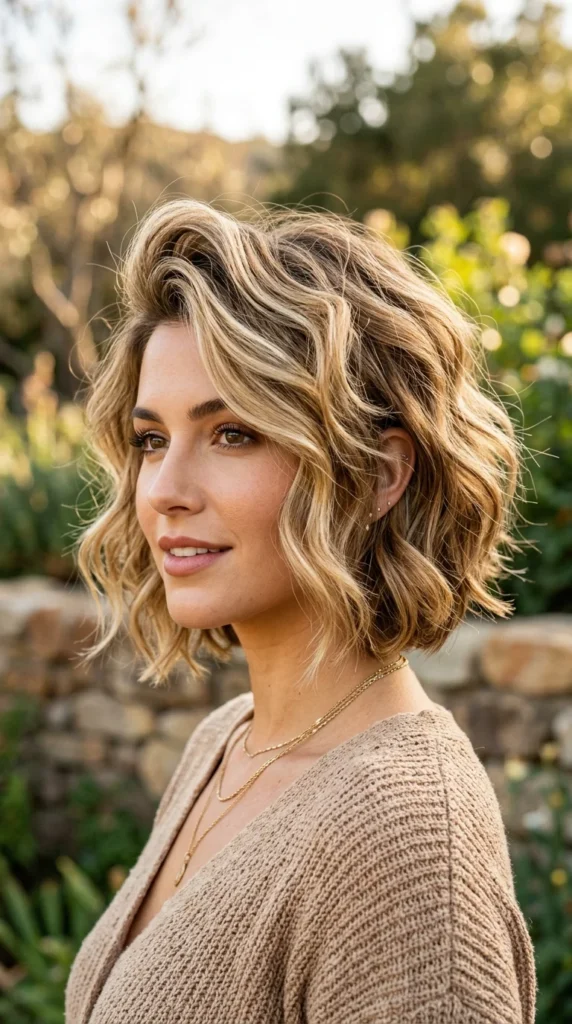
Waves are the ultimate cheat code for fine hair. When applied to an angled bob, waves add width to the style. Because the back is shorter, the waves there “pop” more, while the longer front sections provide a beautiful, cascading frame that looks dense and healthy.
12. Polished Undercut
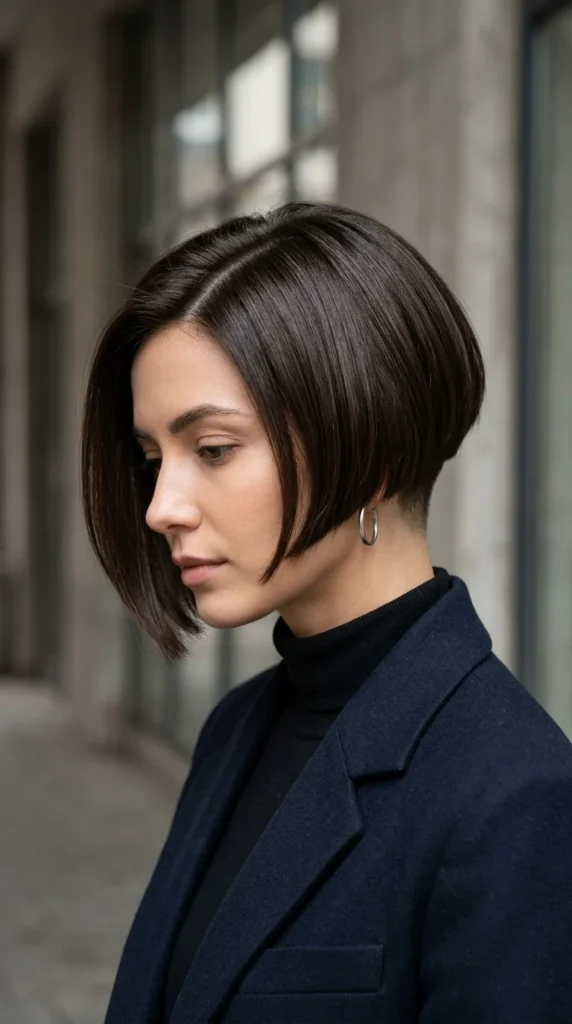
An undercut might seem counterintuitive for fine hair, but it actually removes the “fuzz” at the nape that can sometimes make a bob look messy. By clearing out the bottom inch of hair, the top layers can fall more cleanly and with more “swing,” making the hair look deliberate and thick.
13. Face-Framing Highlights
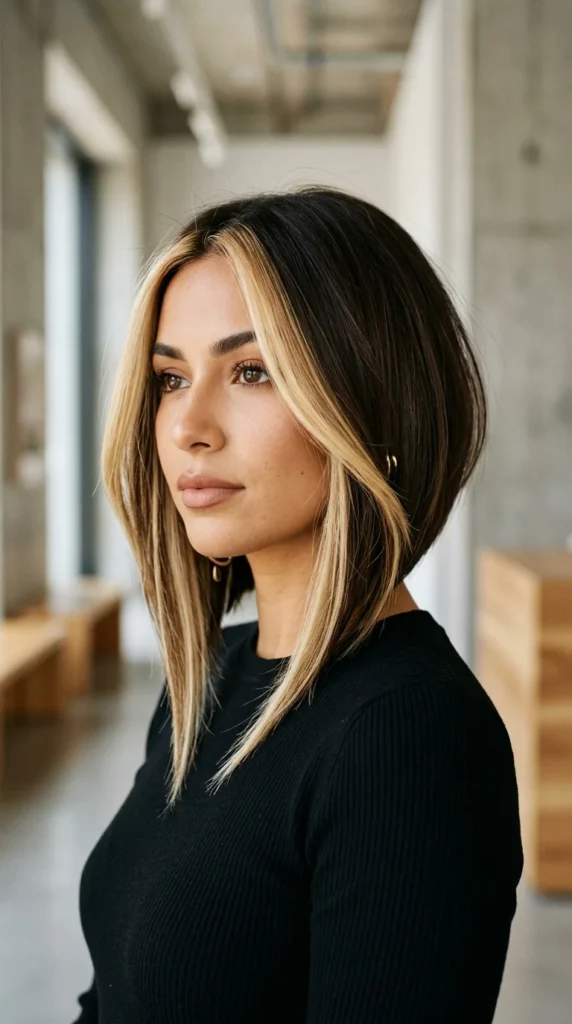
Color can be just as effective as cutting for creating thickness. Highlights add “dimension,” which is essentially the illusion of depth. When highlights are placed along the angled front of a bob, they highlight the movement and make the hair appear to have more layers and body.
14. Chin-Length Precision
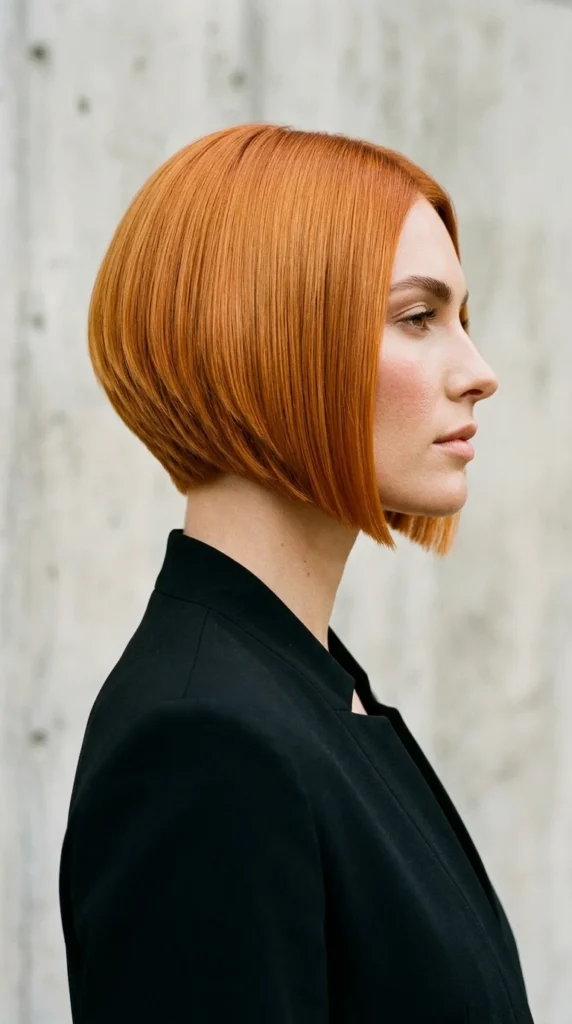
Ending the bob exactly at the chin is one of the most flattering lengths for fine hair. It emphasizes the jawline and creates a strong horizontal line that tricks the eye into seeing more volume. This “boxier” shape is excellent for adding width to a narrow face.
15. The ‘Lob’ Angle
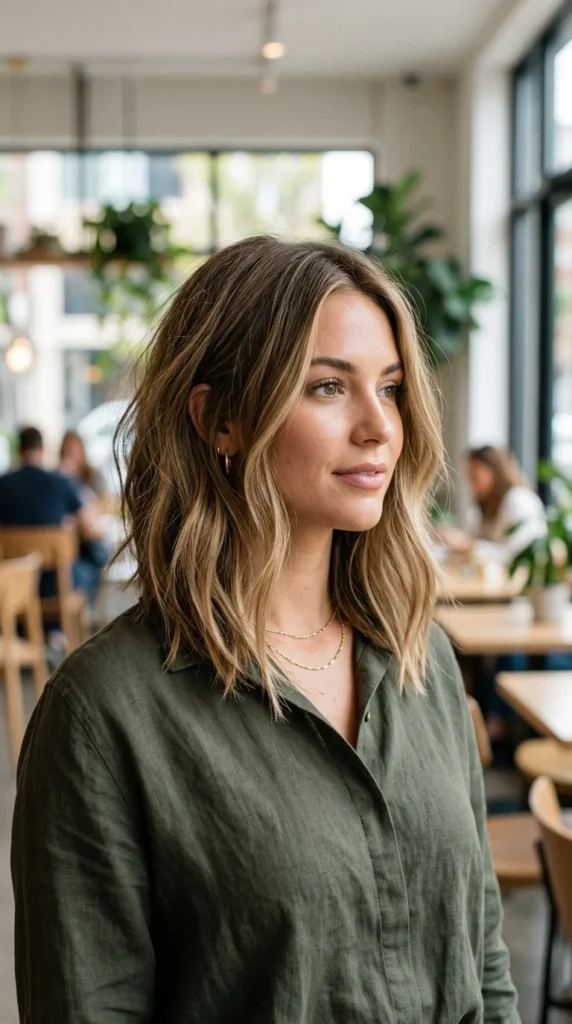
If you aren’t ready to go short, the angled “Lob” (long bob) is the perfect middle ground. The angle provides the necessary structure to keep the hair from looking “weedy” at the ends, which often happens when fine hair grows too long. It maintains a sense of weight while offering more styling versatility.
16. Shattered Layers
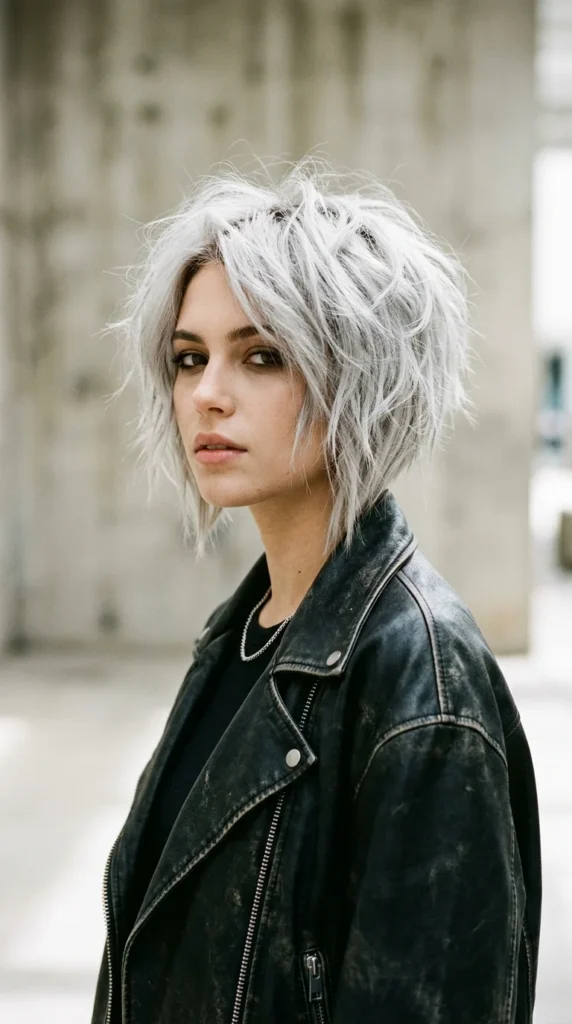
Shattered layers are perfect for the “rock n’ roll” aesthetic. By creating lots of different lengths within the bob, the hair can’t lay flat against itself. This creates “air pockets” throughout the style, resulting in a look that is full of grit, personality, and—most importantly—volume.
17. Rounded Silhouette
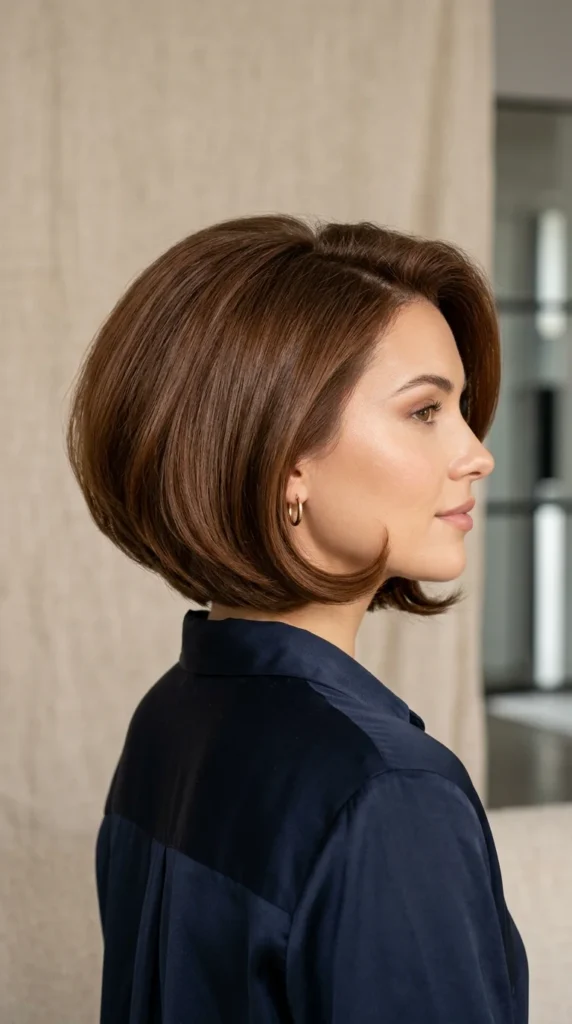
A rounded angled bob focuses on softness. By using a round brush during the blow-dry, you can emphasize the graduated back, creating a beautiful “C” shape profile. This curve adds a physical thickness to the hair’s silhouette that looks polished and professional.
18. Sleek Glass Hair
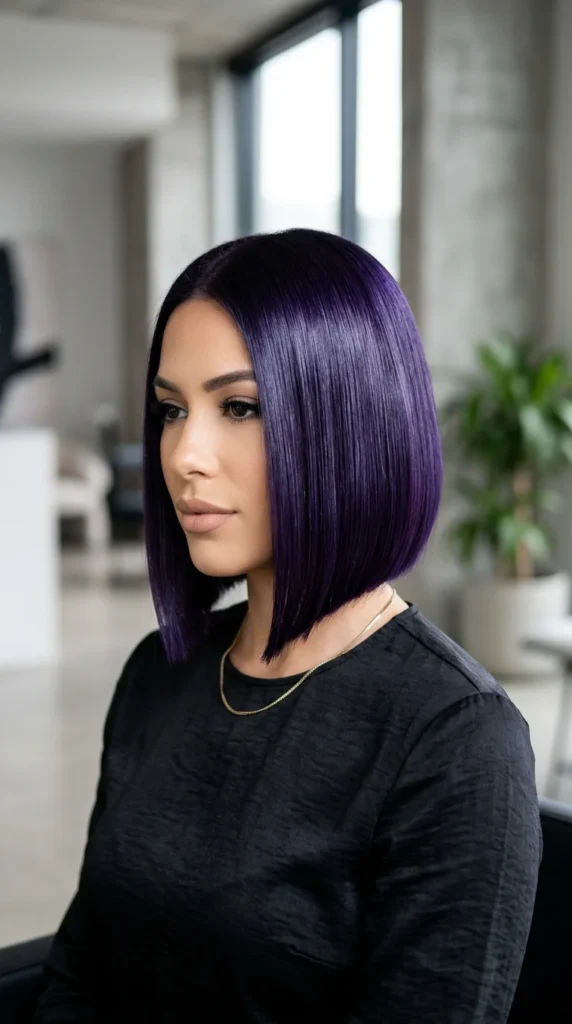
Fine hair often has a naturally smooth cuticle, which makes it perfect for the “glass hair” trend. While this look is flat, the extreme shine and the sharp, angled lines create a “sculptural” thickness. It looks intentional and high-end, proving that you don’t always need “fluff” to look like you have a lot of hair.
19. The ‘Boyish’ Angled Bob

For those who want to go short, this version of the angled bob borders on a pixie cut but keeps the “swing” of a bob. Because the hair is so short, it is incredibly lightweight, allowing fine hair to achieve its maximum natural lift. It’s a bold, chic choice that screams confidence.
20. Balayage Depth
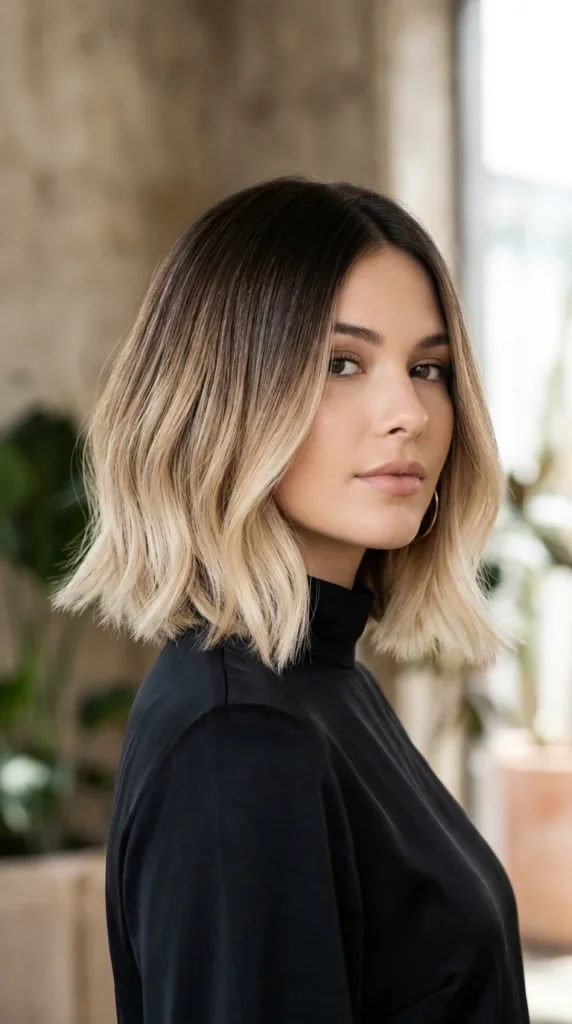
The “shadow root” technique is a lifesaver for fine hair. By keeping the roots a few shades darker than the rest of the hair, you create a sense of depth and thickness at the base. Combined with an angled cut, this color technique provides a 3D effect that makes the hair look incredibly lush.
21. Wispy Front, Thick Back
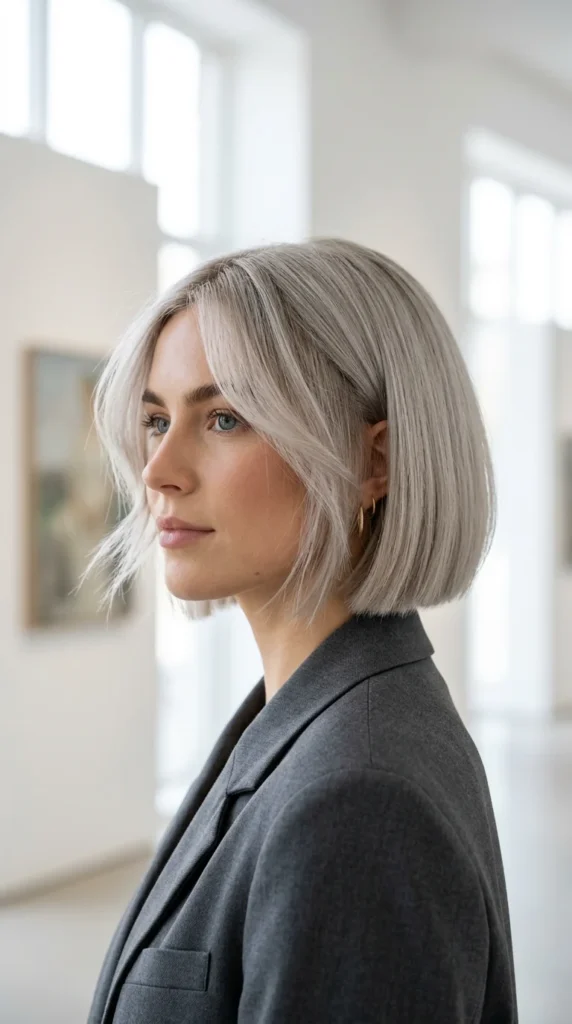
This style is perfect for those who find heavy hair around the face overwhelming. By thinning out just the very front “tendrils,” you maintain the thick, voluminous “stack” in the back, ensuring your hair still looks full from every other angle.
22. Vintage-Inspired Flip
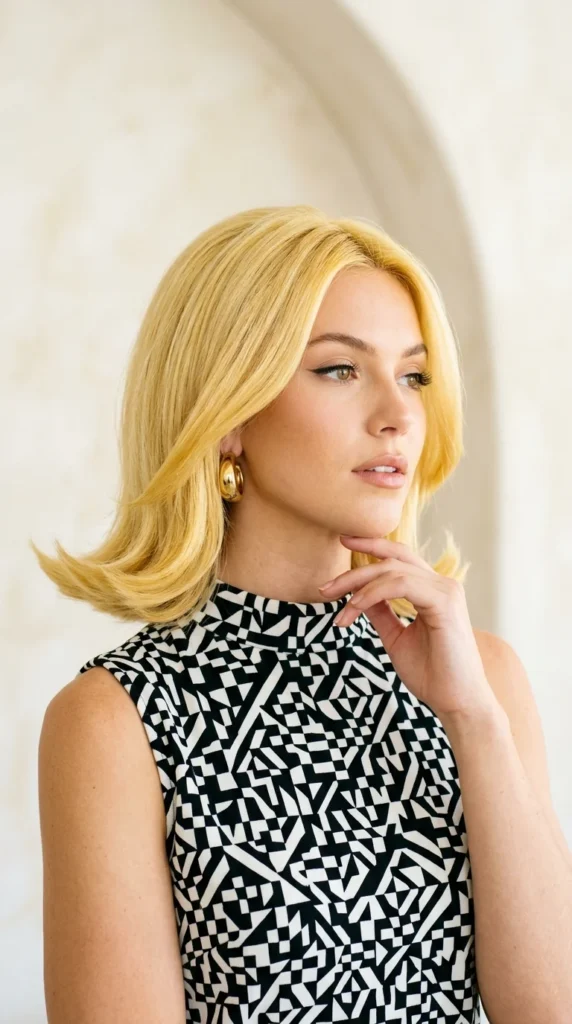
Taking a cue from the 1960s, flipping the ends of your angled bob outward is a great way to add volume. The outward flare creates a wider silhouette at the jawline, which balances out fine hair and adds a playful, voluminous energy to the look.
Tips for Maintaining Your Voluminous Angled Bob
To keep your angled bob looking its thickest, remember these three golden rules:
- Blow-Dry Upside Down: This encourages the roots to dry in an upright position, providing natural lift before you even start styling.
- Use Lightweight Products: Avoid heavy oils or waxes that can weigh down fine strands. Opt for “dry” textures like sea salt sprays or volume powders.
- Regular Trims: The magic of an angled bob is in its crisp lines. Fine hair tends to show split ends more easily, which can make the bottom of your cut look “see-through.” Get a trim every 6-8 weeks to keep that perimeter looking thick and solid.